



Why Do My Gums Bleed? Common Causes and When to See a Dentist
Noticing blood when you brush or floss can be worrying, especially if it happens regularly. Bleeding gums are common, but they should not simply be ignored. In many cases, bleeding is related to plaque buildup and gum inflammation, while persistent or heavy bleeding may point to a more significant dental or general health concern.
Quick Answer
The most common cause of bleeding gums is inflammation caused by plaque buildup along the gumline. Other possible causes include tartar, gum disease, brushing too hard, improper flossing technique, dental appliances, certain medicines and some general health conditions. If your gums bleed frequently, are swollen or painful, or the bleeding is accompanied by persistent bad breath or loose teeth, you should schedule a dental examination.
Why Do My Gums Bleed?
Healthy gums generally should not bleed regularly during normal brushing or flossing. When plaque accumulates around the teeth and gumline, the gums can become irritated and inflamed. This can make them more likely to bleed when touched.
Occasional bleeding can also occur if you have recently started flossing or changed your oral hygiene routine. However, bleeding that continues or occurs frequently deserves attention because it can be a sign that the gums need professional assessment.
Common Causes of Bleeding Gums
1. Plaque Buildup
Plaque is a sticky film of bacteria that forms on teeth. If it is not removed effectively, it can irritate the gums and cause inflammation, redness and bleeding.
2. Tartar Buildup
When plaque hardens into tartar, it cannot usually be removed completely with regular brushing. Tartar around the gumline can contribute to ongoing gum irritation and may require professional dental cleaning.
3. Gingivitis
Gingivitis is inflammation of the gums, often associated with plaque buildup. Bleeding during brushing or flossing can be one of its early signs. With appropriate dental care and improved plaque control, gingivitis can often be managed before it progresses.
4. Gum Disease
If gum inflammation progresses, more advanced periodontal disease can affect the tissues and bone supporting the teeth. Symptoms can include persistent bleeding, gum swelling, bad breath, gum recession and loose teeth.
5. Brushing Too Hard
Aggressive brushing with excessive pressure can irritate the gums. A soft-bristled toothbrush and gentle brushing technique are generally preferable.
6. Incorrect Flossing Technique
Flossing too forcefully or snapping floss into the gums can cause bleeding and discomfort. Floss should be guided gently between the teeth and along the gumline.
7. Dental Appliances
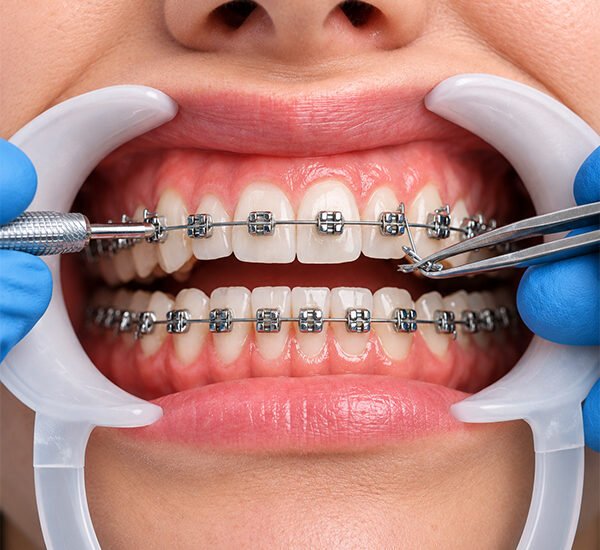
Braces, retainers, dentures and other dental appliances can make some areas harder to clean. Plaque may accumulate around these areas and contribute to gum irritation if cleaning is not adequate.
8. Certain Medicines or General Health Factors
Some medicines and general health conditions can affect bleeding or gum health. If your gums bleed frequently without an obvious dental cause, tell your dentist about any medicines and health conditions that may be relevant.
💡 Important: Do not stop taking a prescribed medicine simply because your gums are bleeding. Discuss possible medicine-related effects with your dentist and doctor.
Bleeding Gums and Gum Disease: What Is the Connection?
Bleeding gums can be an early warning sign of gum inflammation. Plaque that remains around the gumline can trigger an inflammatory response, causing the gums to become red, swollen and prone to bleeding.
If the underlying problem is not addressed, gum disease can become more advanced and affect the structures that support the teeth. This is why recurring bleeding should be evaluated rather than treated only as a minor inconvenience.
Signs You Should Not Ignore
Bleeding gums are more concerning when they occur alongside other symptoms. Arrange a dental examination if you notice:
- Gums that bleed frequently during brushing or flossing.
- Red, swollen or tender gums.
- Persistent bad breath or an unpleasant taste.
- Gums pulling away from the teeth.
- Teeth that feel loose or have changed position.
- Pus or discharge around the gums.
- Persistent pain or discomfort in the gums.
- Increasing sensitivity or difficulty chewing.
Can Bleeding Gums Be a Sign of Vitamin Deficiency?
Certain nutritional deficiencies can affect gum and oral health, but plaque-related gum inflammation is a much more common dental cause of bleeding gums. If bleeding is persistent or unexplained, a dentist can assess your mouth and decide whether further evaluation is appropriate.
What Should You Do If Your Gums Bleed While Brushing?
If your gums bleed while brushing, do not automatically stop cleaning the area. Poor plaque control can allow inflammation to continue. Instead, use a soft-bristled toothbrush and gentle technique, and clean between your teeth carefully.
If bleeding continues despite good oral hygiene, schedule a dental examination. Your dentist can determine whether plaque, tartar, gum disease or another factor is responsible.
How Can You Prevent Bleeding Gums?
Good daily oral hygiene and regular dental care are important for maintaining healthy gums.
- Brush twice a day: Use a soft-bristled toothbrush and fluoride toothpaste.
- Clean between your teeth: Floss or use an interdental cleaning method recommended by your dentist.
- Do not brush aggressively: Gentle, thorough cleaning is better than excessive pressure.
- Have professional cleanings when advised: Professional cleaning can remove hardened tartar that cannot be removed effectively at home.
- Maintain regular dental check-ups: Routine examinations can help identify gum problems early.
- Avoid tobacco products: Tobacco use can negatively affect gum health and healing.
- Follow personalised dental advice: If you have braces, dentures or other dental appliances, use the cleaning method recommended for them.
💡 Simple rule: If your gums bleed repeatedly, don't just switch toothbrushes and hope the problem disappears. A dental examination can identify the cause and help you treat it properly.
Bleeding Gums: When Should You See a Dentist?
You should consider seeing a dentist if bleeding occurs regularly, lasts for an extended period or is accompanied by swelling, pain, bad breath, gum recession or loose teeth.
A dentist can examine your gums, measure gum health where necessary and check for plaque, tartar, cavities or other dental problems. Depending on the findings, treatment may include professional cleaning, improved home-care guidance or more specific periodontal treatment.
What Happens During a Dental Examination for Bleeding Gums?
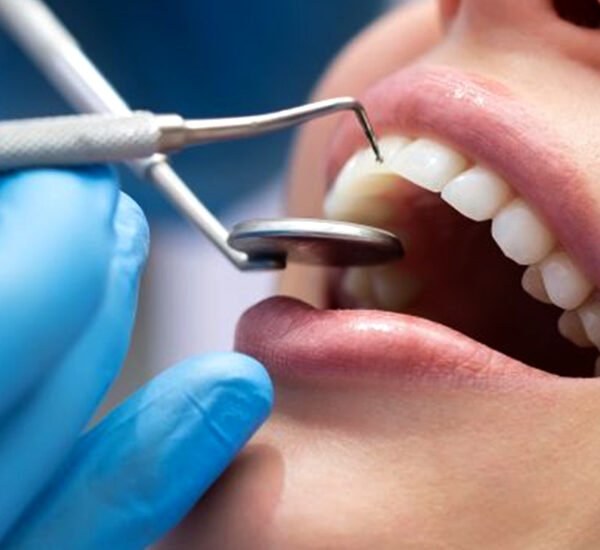
Your dentist will first ask about your symptoms and oral hygiene routine. They will examine the teeth and gums for signs of inflammation, tartar, recession, pockets or other concerns.
Dental X-rays may be recommended when the dentist needs to evaluate areas that cannot be assessed fully by visual examination, such as supporting bone or problems around the roots.
Professional Treatment for Bleeding Gums
Treatment depends on the underlying cause. If plaque and tartar buildup are contributing to gum inflammation, professional dental cleaning may be recommended. If periodontal disease is present, your dentist may recommend additional gum treatment and a personalised maintenance plan.
If a dental appliance, medication or another factor is contributing to bleeding, your dentist can discuss appropriate adjustments or whether another healthcare professional should be involved.
Bleeding Gums vs Healthy Gums
| Healthy Gums | Gums That May Need Attention |
|---|---|
| Generally firm and comfortable. | May be swollen, tender or uncomfortable. |
| Usually do not bleed regularly during routine brushing. | May bleed frequently while brushing or flossing. |
| Generally fit closely around the teeth. | May show recession or changes in the gumline. |
| Usually have a healthy pink appearance, although normal gum colour varies between individuals. | May appear red or inflamed depending on the cause. |
Can Professional Teeth Cleaning Help Bleeding Gums?
If plaque and tartar buildup are contributing to gum inflammation, professional teeth cleaning can help remove deposits that are difficult to remove at home. Your dentist may recommend scaling and polishing as part of your treatment.
Professional cleaning works best when combined with consistent daily brushing and interdental cleaning. If there is established periodontal disease, routine cleaning alone may not be enough and additional treatment may be required.
Bleeding Gums in Children
Children can also experience bleeding gums, particularly when plaque accumulates around the teeth or when they are learning proper brushing and flossing techniques. Braces and changes associated with growing teeth can also make cleaning more challenging.
Persistent bleeding in a child should be discussed with a dentist so that the cause can be identified and the child can receive age-appropriate oral hygiene guidance.
When Is Bleeding From the Mouth an Emergency?
Most gum bleeding is not an emergency, but heavy bleeding that does not stop, significant facial swelling, difficulty breathing or swallowing, or other severe symptoms require prompt professional attention.
If you are unsure whether your symptoms require urgent care, contact a dental professional or seek appropriate emergency medical care.
Frequently Asked Questions About Bleeding Gums
Plaque-related gum inflammation is a common reason gums bleed during brushing. Brushing too hard can also irritate the gums. If bleeding happens regularly, a dental examination can help identify the cause.
Occasional bleeding can occur when someone is new to flossing or is cleaning inflamed gums, but regular bleeding should not be ignored. Gentle, correct flossing and a dental examination can help determine the reason.
Yes. Bleeding gums can be an early sign of gum inflammation and may also occur with more advanced periodontal disease. Other symptoms can include swelling, bad breath, gum recession and loose teeth.
You generally should not stop oral hygiene because of bleeding. Use a soft-bristled toothbrush and gentle technique. If bleeding persists, see a dentist to determine the underlying cause.
If plaque and tartar are contributing to gum inflammation, professional scaling can remove these deposits and support gum health. Your dentist can determine whether routine scaling or additional periodontal treatment is appropriate.
Improving brushing and interdental cleaning can help when plaque is the cause. However, persistent bleeding may require professional cleaning or treatment of gum disease, so a dental examination is recommended.
See a dentist if your gums bleed frequently or if bleeding is accompanied by swelling, pain, persistent bad breath, gum recession, pus or loose teeth. Prompt assessment can help identify and treat the cause.
Yes. Brushing too hard, incorrect flossing, dental appliances, certain medicines and some general health conditions can contribute to bleeding. A dentist can help determine the most likely cause.
Are Your Gums Bleeding Regularly?
Persistent bleeding gums deserve attention. A dental examination can help determine whether plaque, tartar, gum inflammation or another factor is responsible and whether professional treatment is needed.
Book an appointment with Dr. Ruchi's Smile Dental Clinic to discuss your gum health and get personalised dental advice.