
Dental Implants vs Dentures: Which Is Right for You?
Losing one or more teeth can affect chewing, speech, confidence and everyday comfort. If you are considering replacing missing teeth, two commonly discussed options are dental implants and dentures. Both can restore function, but they work in very different ways. Understanding the differences can help you discuss the most suitable option with your dentist.
Quick Answer
Dental implants are fixed restorations supported by implants placed in the jawbone, while dentures are removable appliances that replace some or all missing teeth. Implants generally offer a more fixed and natural-feeling solution but involve surgery, a longer treatment process and a higher initial investment. Dentures are removable, usually less invasive and can often replace multiple missing teeth without implant surgery. The right choice depends on your oral health, bone condition, number of missing teeth, budget, preferences and overall treatment goals.
What Are Dental Implants?
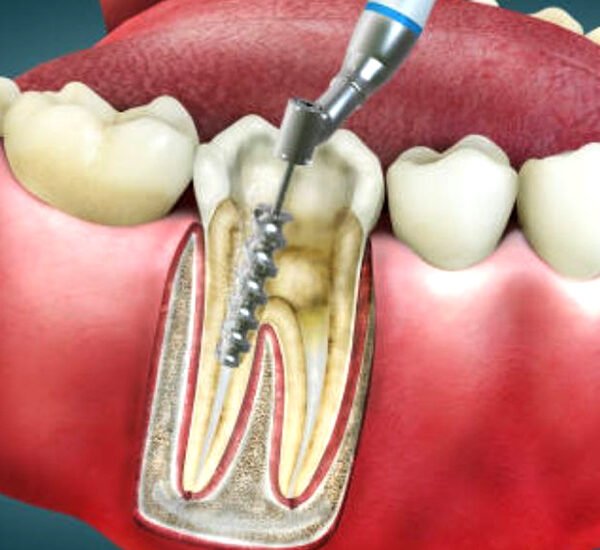
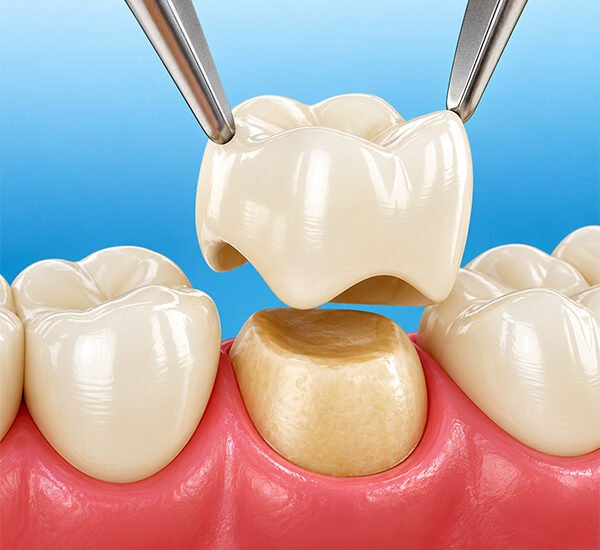
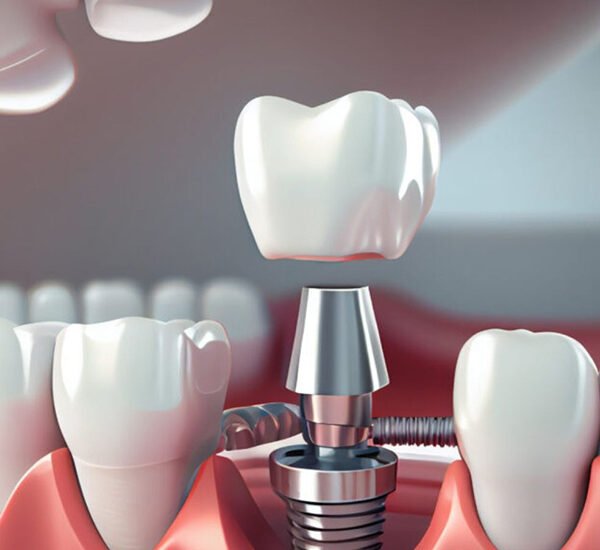
A dental implant is a small implant fixture placed into the jawbone to support a replacement tooth or dental prosthesis. Once the implant has integrated with the surrounding bone, it can be used to support a crown, bridge or implant-supported denture, depending on the treatment plan.
Unlike a conventional removable denture, an implant-supported restoration is designed to provide fixed or more stable support. Implant treatment usually involves several stages and requires an assessment of the gums, remaining teeth and available bone.
What Are Dentures?
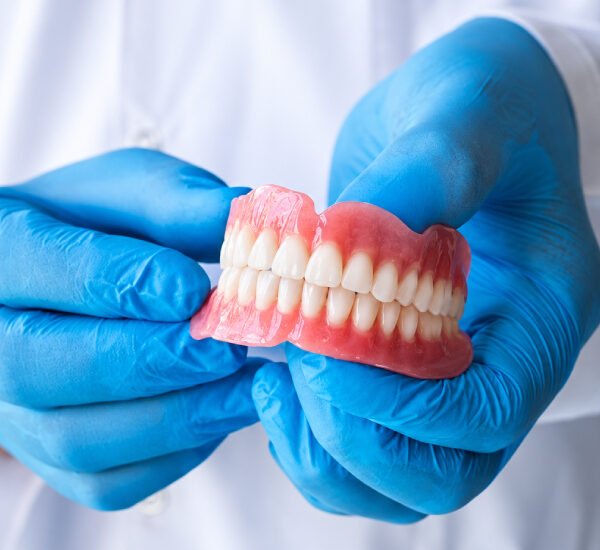
Dentures are removable dental appliances used to replace missing teeth and surrounding tissues. Depending on how many teeth are missing, a patient may receive a partial denture or a complete denture.
Modern dentures are designed to restore appearance and help with everyday activities such as eating and speaking. They require regular cleaning and may need adjustments over time as the mouth changes.
💡 Important: There is no universally “best” choice between implants and dentures. The most appropriate treatment depends on your individual dental condition and should be decided after a professional examination.
Dental Implants vs Dentures: Key Differences
| Feature | Dental Implants | Dentures |
|---|---|---|
| Support | Supported by implants placed in the jawbone. | Rests on the gums and surrounding oral structures. |
| Removability | Implant-supported restorations are generally fixed, depending on the design. | Designed to be removed for cleaning and maintenance. |
| Surgery | Implant placement requires a surgical procedure. | Conventional dentures do not require implant surgery. |
| Treatment time | Usually involves multiple stages and healing time. | Often involves a shorter treatment process, although individual cases vary. |
| Maintenance | Requires regular brushing, cleaning between teeth and professional dental care. | Requires daily denture cleaning, proper storage and periodic dental review. |
| Initial investment | Generally higher because of surgery, implant components and restorative stages. | Generally more affordable initially than implant treatment, depending on the type of denture. |
Benefits of Dental Implants
1. Fixed Tooth Replacement
Implant-supported teeth are designed to remain in place rather than being removed for routine daily use. This can provide a more fixed feeling compared with conventional removable dentures.
2. Stable Support
Because the implant is anchored in the jawbone, it can provide stable support for a replacement tooth or prosthesis.
3. Natural-Looking Appearance
Implant restorations can be designed to match the shape, size and colour of surrounding teeth, depending on the individual treatment plan.
4. No Denture Adhesive for Fixed Implant Restorations
A fixed implant-supported restoration does not rely on conventional denture adhesive to stay in place. However, different implant-supported designs have different maintenance requirements.
5. Can Support Different Types of Restorations
Implants can be used to support individual crowns, bridges or certain types of implant-supported dentures, allowing treatment to be planned according to the number and position of missing teeth.
Benefits of Dentures
1. Replace Multiple Missing Teeth
Dentures can replace several missing teeth or an entire arch, depending on the design.
2. No Implant Surgery for Conventional Dentures
Conventional dentures do not require placement of implants in the jawbone, which can make them an option for patients who do not want or cannot undergo implant surgery.
3. Removable for Cleaning
Dentures can be removed for cleaning and maintenance. Your dentist can explain the correct cleaning and storage routine for your specific denture.
4. Can Be a Practical Tooth Replacement Option
For some patients, dentures provide a practical way to restore the appearance and function of missing teeth without undergoing implant treatment.
Who May Be a Candidate for Dental Implants?
Implant treatment may be considered for adults who have missing teeth and have sufficient bone and healthy oral tissues to support the planned restoration. Good oral hygiene and the ability to maintain regular dental care are also important.
A dentist or implant specialist will assess the gums, jawbone, remaining teeth, medical history and treatment goals before recommending implants. In some cases, additional procedures may be discussed if there is insufficient bone or another oral health issue needs to be addressed first.
Who May Benefit From Dentures?
Dentures may be suitable for people who have multiple missing teeth or complete tooth loss and want a removable replacement option. They may also be considered when implant treatment is not preferred, is not currently suitable or does not fit the patient's treatment goals or budget.
A proper examination is still important because the condition of the gums, remaining teeth and supporting tissues affects the design and fit of a denture.
Dental Implant Procedure: What to Expect
Implant treatment is usually completed in stages. The exact sequence varies according to the patient's condition and the type of restoration planned.
Step 1: Consultation and Assessment
Your dentist examines your mouth and may use dental imaging to assess the jawbone and the area where the implant is planned.
Step 2: Implant Placement
The implant fixture is placed into the jawbone under appropriate anaesthesia. The area then requires a healing period so the implant can integrate with the surrounding bone.
Step 3: Abutment and Restoration
Once the implant is ready for restoration, the required connecting component and replacement tooth or prosthesis are placed according to the treatment plan.
Denture Treatment: What to Expect
Denture treatment generally begins with an examination and measurements or digital records of the mouth. These are used to design a denture that fits the patient's oral structures.
Depending on the type of denture, impressions, try-in appointments and adjustments may be required before the final appliance is provided. It can take some time to become comfortable speaking and chewing with a new denture.
Dental Implants vs Dentures: Which Is More Comfortable?
Comfort is highly individual. A well-fitting denture can be comfortable for many patients, while implants can provide a more stable, fixed feeling because they are anchored in the jawbone.
Dentures may initially feel unfamiliar and can require an adjustment period. If a denture becomes loose or causes sore spots, it should be checked by a dentist rather than adjusted at home.
Dental Implants vs Dentures: Which Is More Natural-Looking?
Both implants and dentures can be designed to provide an attractive and natural-looking appearance. The final result depends on factors such as the restoration design, tooth position, materials, gum appearance and the skill of the dental team.
Implants may provide a more natural-feeling result because the replacement tooth is supported more like a natural tooth, but this does not mean that every patient will achieve the same outcome.
How Long Do Dental Implants and Dentures Last?
The lifespan of either treatment varies considerably. Dental implants are designed as long-term tooth replacement solutions, but the implant, crown, bridge or denture component may have different maintenance and replacement needs.
Dentures can also last for years with proper care, but they may eventually need adjustment, relining or replacement as the shape of the gums and jaw changes over time.
💡 Remember: Longevity depends on oral hygiene, regular dental visits, bite forces, the condition of the supporting tissues, maintenance and individual health factors. A treatment plan should include long-term follow-up, not just the initial replacement.
Dental Implants vs Dentures: Cost Considerations
The cost of replacing missing teeth depends on the number of teeth being replaced, the treatment type, materials, complexity of the case and any additional procedures required.
Dental implants generally involve a higher initial investment because treatment can include implant placement, healing, restorative components and the final crown, bridge or implant-supported denture. Conventional dentures generally have a lower initial cost, although future adjustments, relining or replacement may be required.
When comparing prices, ask your dental clinic for a complete treatment plan and clarify which examinations, procedures, restorations and follow-up visits are included.
What About Implant-Supported Dentures?
There is also an option between conventional dentures and individual fixed implants: implant-supported dentures. These dentures are supported by dental implants, which can provide greater stability than a conventional removable denture.
Implant-supported dentures may be considered for patients who have lost several or all teeth and want more support than a traditional denture can provide. They are not the same as replacing every missing tooth with an individual implant, so your dentist will explain which design is appropriate.
Dental Implants or Dentures: Which Is Right for You?
There is no one-size-fits-all answer. Your dentist will consider several factors before recommending a tooth replacement option.
- Number of missing teeth: One missing tooth may require a different solution from complete tooth loss.
- Bone and gum health: Implant treatment requires suitable supporting conditions.
- Overall oral health: Active dental problems may need to be treated before replacement.
- Budget: Different options involve different initial and long-term costs.
- Preference: Some patients prefer a fixed solution, while others prefer a removable appliance.
- Treatment timeline: Implant treatment generally involves healing stages, while denture treatment can follow a different timeline.
- Long-term maintenance: Every replacement option requires ongoing care and professional monitoring.
How to Choose the Right Tooth Replacement Option
The best way to choose between dental implants and dentures is to have a complete dental evaluation rather than making the decision based only on online comparisons or price.
Ask your dentist about the expected benefits, limitations, treatment duration, maintenance requirements and total cost of each suitable option. Understanding these factors can help you make a decision that fits both your oral health and your lifestyle.
If you are considering replacing missing teeth in Panchkula, you can contact Dr. Ruchi's Smile Dental Clinic to discuss your treatment options.
Frequently Asked Questions About Dental Implants vs Dentures
Not necessarily for every patient. Implants provide fixed or more stable support, while dentures are removable and generally less invasive. The right option depends on oral health, bone condition, treatment goals, budget and personal preference.
Dental implants generally have a higher initial treatment cost because they involve implant placement and restorative components. Dentures generally have a lower initial cost, but long-term maintenance and replacement should also be considered.
Dental implants are designed as long-term tooth replacement solutions, but their longevity depends on oral hygiene, gum health, bite forces, maintenance and individual factors. The implant and the visible restoration may have different maintenance needs.
Dentures can function for years with proper care, but they may eventually require adjustment, relining or replacement as the mouth and supporting tissues change.
Yes. Modern dentures can be designed to look natural by considering tooth shape, colour, gum appearance and facial features. The final result depends on the individual case and denture design.
Bone loss does not automatically rule out implants, but adequate supporting bone is important. Your dentist may recommend imaging and may discuss additional procedures in selected cases before implant placement.
Implant-supported dentures can provide greater stability than conventional dentures, but they require implant placement and are not suitable for everyone. Your dentist can compare both options based on your individual needs.
The right choice depends on the number of missing teeth, gum and bone health, overall oral health, treatment timeline, budget and personal preference. A dental examination is the best way to determine which options are suitable for you.
Considering Dental Implants or Dentures?
Replacing missing teeth is an important decision. A professional dental assessment can help you understand which options are suitable for your mouth and what to expect from each treatment.
Book an appointment with Dr. Ruchi's Smile Dental Clinic to discuss dental implants, dentures and other tooth replacement options.