Wisdom Teeth: When Should They Be Removed and When Can They Stay?
Wisdom teeth are the last set of molars to develop, usually appearing in the late teenage years or early adulthood. For some people, they grow into a healthy position and can remain in the mouth without causing problems. For others, there may not be enough room for them to erupt properly, leading to pain, infection, tooth decay or damage to nearby teeth. So, does everyone need wisdom teeth removal? Not necessarily.
What Are Wisdom Teeth?
Wisdom teeth are the third molars located at the very back of the upper and lower jaws. Most people have up to four wisdom teeth, although some people have fewer or do not develop them at all.
They are called "wisdom teeth" because they typically appear later than the other permanent teeth. Their eruption can occur during the late teenage years or early adulthood, although the timing varies from person to person.
Why Do Wisdom Teeth Cause Problems?
The main issue is often space. By the time wisdom teeth develop, the other permanent teeth are already established. If there is not enough room at the back of the jaw, a wisdom tooth may not erupt normally.
A wisdom tooth can become tilted, partially erupted or remain trapped underneath the gum or bone. These teeth are often described as impacted wisdom teeth.
However, lack of space is not the only possible problem. Even a fully erupted wisdom tooth may be difficult to reach and clean properly, which can increase the risk of decay or gum problems.
When Can Wisdom Teeth Stay?
A wisdom tooth does not automatically need to be removed simply because it exists. In some people, wisdom teeth can remain healthy and functional.
1. The Tooth Has Erupted Properly
If the wisdom tooth has grown into a useful position and is not causing pressure or other problems, it may be possible to keep it.
2. It Is Healthy
A wisdom tooth that is free from significant decay, infection and other disease may not require removal.
3. It Can Be Kept Clean
The back of the mouth can be difficult to clean. If you can brush and floss around the wisdom tooth effectively, maintaining it may be easier.
4. It Is Not Damaging Nearby Teeth
A wisdom tooth should not be causing damage to the neighbouring second molar. If the surrounding teeth and gums remain healthy, monitoring may be an appropriate option.
5. Your Dentist Can Monitor It
Regular dental examinations allow your dentist to check the wisdom tooth and the surrounding area for changes. If the tooth remains healthy and problem-free, removal may not be necessary.
When Should Wisdom Teeth Be Removed?
Wisdom teeth removal may be recommended when a tooth is causing, or is likely to cause, significant dental problems. The decision is made after considering the individual tooth and the patient's overall oral health.
1. Impacted Wisdom Teeth
An impacted wisdom tooth is unable to erupt normally because of limited space, its position or an obstruction. It may remain partly or completely underneath the gum or bone.
Some impacted wisdom teeth cause no immediate symptoms, while others can contribute to pain, infection, decay or damage to nearby structures.
2. Repeated Gum Infection
A partially erupted wisdom tooth can create a small area where food and bacteria become trapped around the gum. This may lead to inflammation and infection around the tooth, a condition commonly called pericoronitis.
If infections keep returning, your dentist may discuss whether removing the wisdom tooth is appropriate.
3. Tooth Decay
Wisdom teeth can be difficult to brush effectively, particularly when they are positioned at an awkward angle or only partially erupted. If significant decay develops and the tooth cannot be predictably maintained, removal may be considered.
4. Damage to the Neighbouring Tooth
A poorly positioned wisdom tooth can press against or trap food near the second molar. This may contribute to decay, gum problems or other damage to the neighbouring tooth.
5. Cysts or Other Abnormal Changes
In some cases, a wisdom tooth may be associated with a cyst or another abnormal change around the tooth. If an X-ray shows a concerning finding, further evaluation and treatment may be recommended.
6. Problems With an Existing Dental Treatment Plan
In some situations, the position or condition of a wisdom tooth may affect another planned dental treatment. Your dentist can explain whether removal is necessary in the context of your particular treatment.
What Are the Common Signs That a Wisdom Tooth Is Causing Problems?
Wisdom tooth problems do not always cause symptoms immediately. When symptoms occur, they may include:
- Pain or pressure at the back of the jaw
- Swollen or tender gums around a wisdom tooth
- Difficulty opening the mouth comfortably
- Bad taste or unpleasant smell from the affected area
- Pain while chewing
- Food repeatedly getting trapped around the tooth
- Tooth decay or sensitivity
- Swelling around the jaw or face
- Repeated episodes of gum infection
These symptoms can have causes other than wisdom teeth, so a dental examination is important before deciding on treatment.
Does an Impacted Wisdom Tooth Always Need to Be Removed?
No. An impacted wisdom tooth does not automatically require extraction simply because it is impacted.
Some impacted teeth remain symptom-free and may be monitored. However, the decision depends on factors such as the position of the tooth, its relationship with nearby teeth, evidence of disease and the person's ability to maintain good oral health.
Your dentist may recommend regular monitoring or removal depending on the findings.
Can Wisdom Teeth Cause Crowding?
Wisdom teeth are often blamed for crowding of the front teeth, but the relationship is more complicated than simply saying that wisdom teeth cause all lower-front tooth crowding.
Teeth can naturally change position throughout adulthood for several reasons. Therefore, wisdom teeth should not be removed solely on the assumption that doing so will prevent all future crowding.
How Does a Dentist Decide Whether Wisdom Teeth Should Be Removed?
Your dentist will usually consider several factors rather than making the decision based on pain alone.
| Factor | What the Dentist May Assess |
|---|---|
| Position of the tooth | Whether the wisdom tooth is upright, tilted, partially erupted or impacted. |
| Health of the tooth | Whether there is decay, infection or other disease. |
| Surrounding gum | Whether there is repeated inflammation or infection around the tooth. |
| Nearby teeth | Whether the wisdom tooth is affecting the second molar or other structures. |
| Ability to clean | Whether the tooth can be reached and maintained with normal oral hygiene. |
| X-ray findings | The position of the roots, surrounding bone and relationship with nearby structures. |
Why Is a Dental X-Ray Important Before Wisdom Tooth Removal?
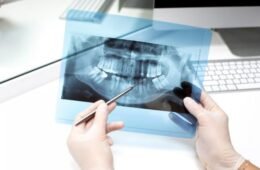
Wisdom teeth can have different positions and root shapes. An X-ray helps the dentist understand where the tooth is located and assess the surrounding structures before deciding on treatment.
Depending on the situation, your dentist may use a panoramic dental X-ray or another type of imaging. More detailed three-dimensional imaging may sometimes be recommended when additional information is needed for treatment planning.
What Happens During Wisdom Teeth Removal?
The exact procedure depends on whether the wisdom tooth has fully erupted or is impacted.
For a straightforward extraction, the dentist numbs the area with local anaesthetic and carefully removes the tooth. An impacted wisdom tooth may require a more involved surgical procedure to access and remove the tooth safely.
Your dentist will explain the planned procedure, expected recovery and aftercare instructions before treatment.
What Is Recovery Like After Wisdom Teeth Removal?
Some soreness, swelling and jaw stiffness can occur after wisdom tooth removal. The amount of discomfort varies depending on the complexity of the extraction and the individual.
Your dentist will provide specific aftercare instructions. These may include guidance about eating, oral hygiene, activity and medicines. Following those instructions can help support normal healing.
Aftercare Tips
- Follow the instructions provided by your dentist.
- Choose softer foods initially if chewing is uncomfortable.
- Avoid disturbing the extraction site.
- Keep your mouth clean according to your dentist's instructions.
- Avoid smoking because it can interfere with healing.
- Take prescribed or recommended medicines exactly as directed.
- Contact your dentist if pain, swelling or other symptoms become unusually severe or worsen rather than improving.
What Is Dry Socket?
Dry socket is a painful complication that can sometimes occur after a tooth extraction when the blood clot that normally forms in the socket is lost or breaks down too early.
It can cause significant pain that may develop or increase a few days after extraction. If you develop severe or worsening pain after wisdom tooth removal, particularly if it is accompanied by an unpleasant taste or smell, contact your dentist for advice.
Is Wisdom Teeth Removal Always Necessary?
No. Removing a wisdom tooth is not automatically necessary simply because it is present, partially erupted or impacted.
If the tooth is healthy, functional, easy to clean and not causing disease or damage, your dentist may recommend monitoring it instead. On the other hand, a wisdom tooth that repeatedly causes infection, decay or damage may be better treated through removal.
The safest approach is an individual assessment rather than removing or keeping every wisdom tooth based on a general rule.
When Should You See a Dentist About a Wisdom Tooth?
Book a dental examination if you have pain or swelling around a wisdom tooth, repeated gum infections, difficulty opening your mouth, food getting trapped around the tooth or unexplained discomfort at the back of your jaw.
Seek urgent dental or medical care if you develop significant facial swelling, fever, difficulty swallowing or difficulty breathing. These symptoms can indicate a more serious infection that requires prompt assessment.
Wisdom Teeth: Key Takeaways
- Not every wisdom tooth needs to be removed.
- A healthy, fully erupted wisdom tooth that can be kept clean may be suitable to keep.
- Impacted wisdom teeth can sometimes cause pain, infection, decay or damage to nearby teeth.
- Repeated gum infections around a wisdom tooth may be a reason to consider removal.
- Dental X-rays help assess the position of wisdom teeth and surrounding structures.
- The decision to remove a wisdom tooth should be based on individual dental findings.
- Some symptom-free wisdom teeth can be monitored instead of immediately removed.
- Severe swelling, fever or difficulty swallowing or breathing requires prompt professional attention.
Frequently Asked Questions
No. A wisdom tooth that is healthy, functional, easy to clean and not causing problems may be kept and monitored. Removal is considered when there is a clear dental reason.
A dentist can assess the tooth's position, health, surrounding gum and relationship with nearby teeth. Dental X-rays may also be used to help make the decision.
Sometimes. An impacted wisdom tooth may be monitored if it is not causing disease or damage. However, the decision depends on its position and individual dental findings.
Possible signs include pain, swollen or tender gums, bad taste, difficulty opening the mouth, discomfort while chewing and swelling around the jaw or face.
An X-ray helps the dentist assess the position of the wisdom tooth, its roots, surrounding bone and its relationship with nearby teeth and other structures.
Recovery varies from person to person and depends on how difficult the extraction was. Some soreness and swelling are common initially, and your dentist will provide specific aftercare guidance.
Yes. Some wisdom tooth problems may not cause noticeable symptoms initially. Dental examinations and appropriate imaging can help identify issues that may not yet be painful.
Significant facial swelling, fever, difficulty swallowing or difficulty breathing requires prompt professional assessment because these symptoms may indicate a serious infection.
Concerned About Your Wisdom Teeth?
If you have wisdom tooth pain, swelling or repeated gum problems, a dental examination can help determine whether the tooth should be monitored or removed.
Book a Dental Appointment