
Toothache: Common Causes, Home Care & When to See a Dentist
A toothache can range from a mild sensitivity to severe, persistent pain that makes it difficult to eat, sleep or concentrate. While temporary home care may help you manage discomfort, a toothache is often a sign that something needs dental attention. Understanding the possible causes can help you know when it is time to see a dentist.
Quick Answer
Toothache can be caused by tooth decay, a cracked or damaged tooth, gum problems, dental infection, sensitivity, impacted teeth or other dental conditions. Home care may provide temporary relief, but it does not treat the underlying cause. If pain is severe, persistent, worsening, or associated with swelling, fever or difficulty swallowing or breathing, seek professional dental care promptly.
What Causes a Toothache?
Tooth pain can come from the tooth itself, the surrounding gums and tissues, or nearby structures. The type and severity of pain can vary depending on the underlying problem.
1. Tooth Decay
Cavities are one of the most common causes of toothache. As decay progresses deeper into a tooth, it can cause sensitivity to hot, cold or sweet foods and may eventually lead to persistent pain.
2. Dental Infection or Abscess
If bacteria reach the inner tissues of a tooth, an infection can develop. A dental abscess may cause severe pain, swelling, tenderness, a bad taste or fever and requires prompt dental assessment.
3. Cracked or Broken Tooth
A cracked or fractured tooth can cause pain when biting or chewing and may also be sensitive to temperature. The treatment depends on the location and extent of the crack and how much healthy tooth structure remains.
4. Gum Disease
Inflamed or infected gums can cause tenderness and discomfort around the teeth. Advanced gum disease can also affect the tissues and bone supporting the teeth.
5. Tooth Sensitivity
Exposed dentine caused by gum recession, enamel wear or other factors can result in sharp, short-lasting pain when consuming hot, cold, sweet or acidic foods and drinks.
6. Impacted Wisdom Tooth
A wisdom tooth that does not have enough room to erupt properly can cause pain, gum swelling or infection around the tooth. A dental examination and imaging may be needed to determine the cause.
7. Damaged or Loose Dental Restoration
A filling, crown or other restoration that is damaged, loose or worn may expose the underlying tooth and contribute to sensitivity or pain.
8. Teeth Grinding or Clenching
Repeated grinding or clenching can place excessive pressure on teeth and supporting structures. This may lead to tooth sensitivity, jaw discomfort, headaches or damage to restorations.
💡 Important: The location of tooth pain does not always identify the exact source. Pain can sometimes be referred from another tooth or surrounding tissue, so a dental examination is important for an accurate diagnosis.
What Can You Do for a Toothache at Home?
If you cannot see a dentist immediately, a few simple measures may help manage discomfort temporarily. These steps should not replace professional treatment when a dental problem is present.
- Keep the area clean: Gently brush your teeth and clean between them to remove food and plaque.
- Rinse gently: A gentle rinse with lukewarm water can help keep the mouth clean.
- Choose softer foods: Avoid chewing on the painful side if eating increases discomfort.
- Avoid triggers: If hot, cold, sweet or acidic foods increase pain, avoid them temporarily.
- Use a cold compress: If there is facial swelling, a cold compress applied externally for short periods may help with discomfort.
- Follow medication directions: If you use an over-the-counter pain reliever, follow the product instructions and check with a healthcare professional if you are unsure whether it is safe for you.
💡 Do not place aspirin directly on the tooth or gums. It can irritate or damage the soft tissues. Painkillers may reduce discomfort, but they do not remove the cause of a toothache.
When Should You See a Dentist for a Toothache?
A toothache that lasts, returns repeatedly or becomes worse should be evaluated by a dentist. Even if the pain disappears temporarily, the underlying dental problem may still be present.
Arrange a dental appointment if you have:
- Tooth pain lasting more than a short period or recurring frequently.
- Severe or worsening pain.
- Pain when biting or chewing.
- Persistent sensitivity to hot or cold.
- Swelling around the tooth or face.
- Red, swollen or bleeding gums.
- A broken, cracked or damaged tooth.
- Bad taste, pus or persistent bad breath associated with a painful tooth.
- Fever or feeling generally unwell along with dental pain.
When Is a Toothache a Dental Emergency?
Some symptoms require urgent attention rather than waiting for a routine appointment. Significant facial or mouth swelling, difficulty breathing or swallowing, uncontrolled bleeding, or severe infection symptoms can require urgent professional care.
If swelling is spreading toward the eye, neck or throat, or you are having difficulty breathing or swallowing, seek emergency medical care immediately.
Toothache Diagnosis: What Will the Dentist Do?
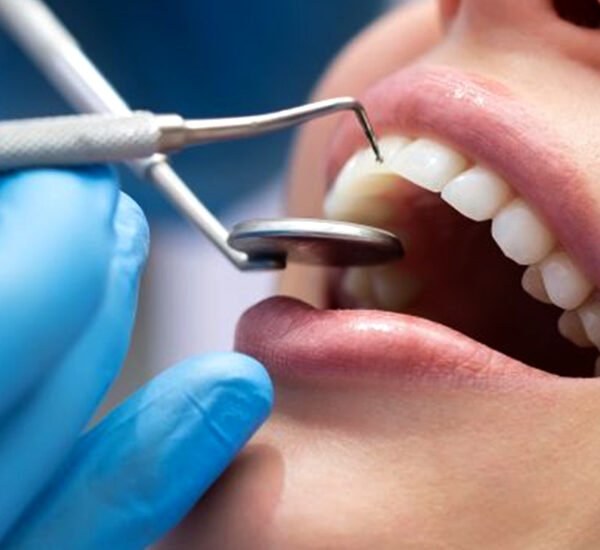
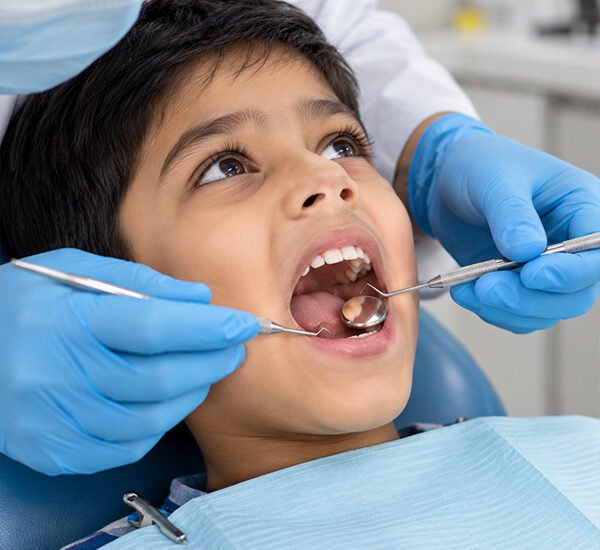
Your dentist will ask about the pain, including when it started, what triggers it and whether it is constant or intermittent. They will examine the painful area and the surrounding teeth and gums.
Depending on the symptoms, dental X-rays or other diagnostic tests may be recommended. The goal is to identify the source of the pain before deciding on treatment.
Toothache Treatment Options
Treatment depends entirely on the underlying cause. Your dentist may recommend one of several options rather than simply treating the pain itself.
For Tooth Decay
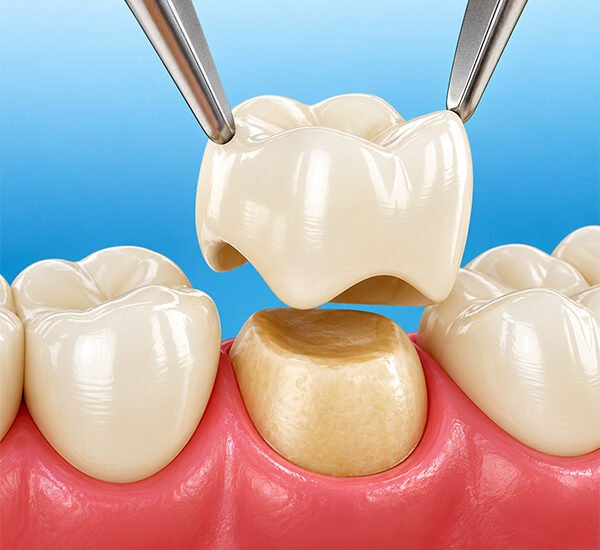
A filling may be sufficient when decay has not significantly damaged the tooth. If the decay is extensive, a crown or root canal treatment may be considered depending on the condition of the tooth.
For an Infected Tooth
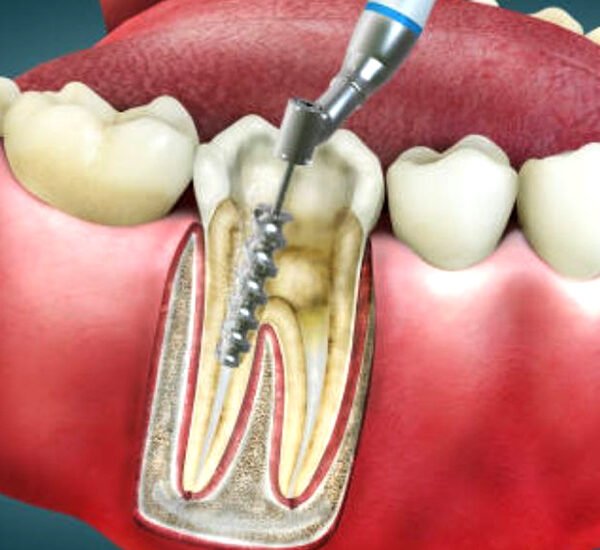
When the inner pulp of a tooth is infected but the tooth can still be restored, root canal treatment may be used to remove the infected tissue, clean the root canals and preserve the natural tooth. A restoration such as a crown may then be required depending on the tooth's condition.
For a Cracked or Broken Tooth
Treatment depends on the severity and location of the damage. Options may include a filling, bonding, crown or other treatment. If a tooth cannot be predictably restored, extraction may sometimes be necessary.
For Gum-Related Problems
Treatment may include professional cleaning, improved home care or periodontal treatment depending on the condition of the gums and supporting tissues.
For an Impacted Wisdom Tooth
Your dentist may recommend monitoring, treatment of the surrounding tissues or extraction depending on the tooth's position, symptoms and effect on nearby structures.
Root Canal Treatment vs Tooth Extraction for Toothache
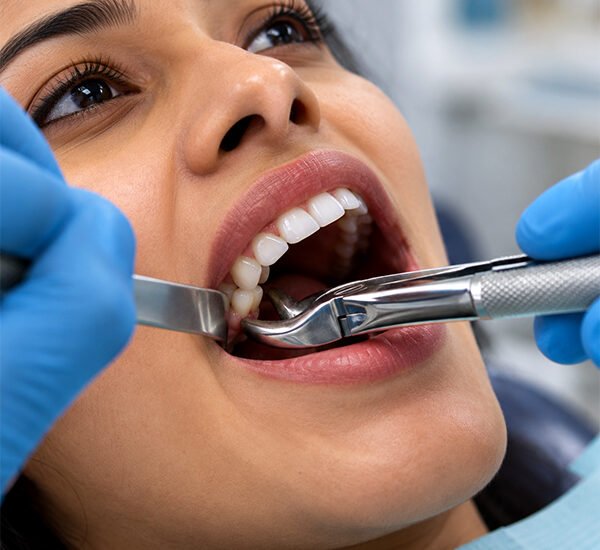
A painful or infected tooth does not automatically need to be extracted. When the natural tooth can be predictably saved, root canal treatment may be an option. Extraction is generally considered when the tooth cannot be adequately restored or maintained.
| Root Canal Treatment | Tooth Extraction |
|---|---|
| Designed to treat infection inside a tooth while preserving the natural tooth. | Removes the affected tooth when it cannot be predictably saved or when removal is otherwise indicated. |
| Usually followed by a suitable restoration to protect the treated tooth. | May require discussion of tooth replacement options depending on the tooth removed. |
| Can preserve the natural tooth when appropriate. | Eliminates the affected tooth but leaves a space that may need future management. |
💡 Do not decide on extraction based on pain alone. A dentist should examine the tooth and determine whether it can be saved before removal is considered.
Why Does My Tooth Hurt More at Night?
Tooth pain can feel more noticeable at night for several reasons, including changes in attention, lying down and the effects of an existing dental problem. Night-time toothache can be particularly disruptive because it may interfere with sleep.
If tooth pain repeatedly wakes you at night or requires frequent pain relief, arrange a dental examination rather than relying on home remedies.
Why Does My Tooth Hurt When I Bite Down?
Pain when biting can be associated with problems such as a cracked tooth, dental decay, an inflamed or infected pulp, a damaged restoration or inflammation around the tooth's supporting tissues.
Because several conditions can cause similar symptoms, a dentist should evaluate the tooth to determine the exact cause.
Can a Toothache Go Away on Its Own?
Toothache can sometimes improve temporarily, but this does not necessarily mean the underlying problem has healed. For example, pain from an infected or damaged tooth may fluctuate or disappear before returning later.
If the pain returns, persists or is accompanied by swelling or other symptoms, professional dental assessment is recommended.
How to Prevent Toothache
You cannot prevent every dental problem, but consistent oral hygiene and regular dental care can significantly reduce the risk of many common causes of toothache.
- Brush twice a day: Use a fluoride toothpaste and a soft-bristled toothbrush.
- Clean between your teeth: Floss or use an interdental cleaning method recommended by your dentist.
- Limit frequent sugary foods and drinks: Reducing repeated sugar exposure helps lower the risk of tooth decay.
- Do not ignore sensitivity: Persistent sensitivity can sometimes indicate an underlying dental problem.
- Protect your teeth: Use appropriate protection during contact sports and avoid biting hard non-food objects.
- Attend regular check-ups: Routine dental examinations can identify problems before they develop into painful conditions.
- Get professional cleaning when advised: Professional cleaning can help control plaque and tartar buildup.
Toothache in Children
Children can also experience toothache due to cavities, dental trauma, gum problems or erupting teeth. A child may not always be able to describe the pain accurately, so signs such as avoiding certain foods, waking at night, chewing on one side or becoming unusually irritable may be worth discussing with a dentist.
Do not delay a child's dental assessment simply because the pain seems mild. Early treatment can often prevent a small problem from becoming more complicated.
Frequently Asked Questions About Toothache
Tooth decay is a common cause of toothache, but pain can also result from infection, cracked teeth, gum disease, sensitivity, impacted wisdom teeth and damaged dental restorations.
Gentle oral hygiene, avoiding foods that trigger pain, softer foods and appropriate over-the-counter pain relief may provide temporary comfort. These measures do not treat the underlying cause, so persistent pain should be evaluated by a dentist.
Pain may temporarily disappear, but that does not necessarily mean the underlying dental problem has resolved. Recurrent or persistent toothache should be checked by a dentist.
Root canal treatment may be recommended when the pulp inside a tooth is irreversibly inflamed or infected and the tooth can still be predictably restored. Your dentist needs to examine and diagnose the tooth before recommending treatment.
No. Depending on the cause and condition of the tooth, treatments such as a filling, crown or root canal treatment may be able to preserve it. Extraction is considered when the tooth cannot be predictably saved or when removal is otherwise indicated.
Pain when biting can occur with a cracked tooth, decay, an inflamed or infected pulp, a damaged restoration or inflammation around the tooth. A dental examination is needed to identify the cause.
Yes. Exposed dentine caused by gum recession, enamel wear or other factors can cause sharp sensitivity. Persistent or worsening sensitivity should be assessed because it can also be associated with decay or other dental problems.
See a dentist if the pain is persistent, severe, recurrent or worsening, or if it is accompanied by swelling, fever, a bad taste, a broken tooth, difficulty chewing or other concerning symptoms. Severe swelling affecting breathing or swallowing requires urgent medical attention.
Have a Toothache That Won't Go Away?
Tooth pain is a symptom, not a diagnosis. Getting the cause identified early can help you understand whether the tooth can be treated with a filling, crown, root canal treatment or another option.
Book an appointment with Dr. Ruchi's Smile Dental Clinic to have your toothache evaluated and discuss the most suitable treatment options.