Dental Checkup: What Happens During a Routine Dental Visit?
A routine dental checkup is more than just a quick look at your teeth. It gives your dentist an opportunity to check your teeth, gums and overall oral health, identify potential problems early, and guide you on how to maintain a healthy smile. Knowing what happens during a dental visit can also make the experience more comfortable, especially if it has been a while since your last appointment.
Why Are Regular Dental Checkups Important?
Many dental problems do not cause noticeable symptoms in their early stages. A person may have early tooth decay, gum inflammation or other oral health concerns without experiencing significant pain. Regular dental visits allow these issues to be assessed before they potentially become more complicated.
A dental checkup can help your dentist monitor changes in your oral health over time and recommend preventive steps based on your individual needs. It is also an opportunity to discuss concerns such as tooth sensitivity, bleeding gums, bad breath, jaw discomfort or changes you have noticed in your mouth.
What Happens During a Routine Dental Checkup?
The exact process can vary depending on your age, oral health, dental history and individual concerns. A typical visit may include the following steps.
1. Review of Your Dental and Medical History
Your dentist may first ask about your general health, medications, previous dental treatments and any current oral health concerns. You may be asked whether you have experienced tooth pain, sensitivity, bleeding gums, swelling, bad breath or difficulty chewing.
Sharing accurate information is important because some medical conditions and medications can affect oral health and may be relevant to your dental care.
2. Examination of Your Teeth
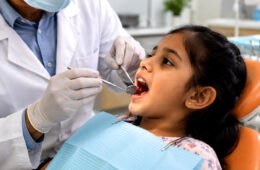
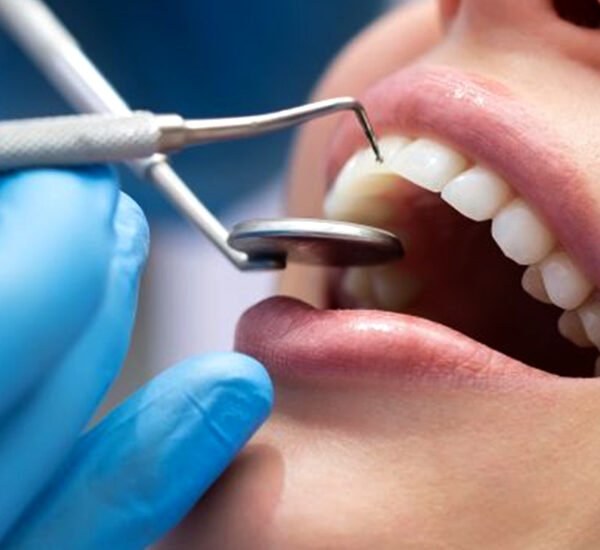
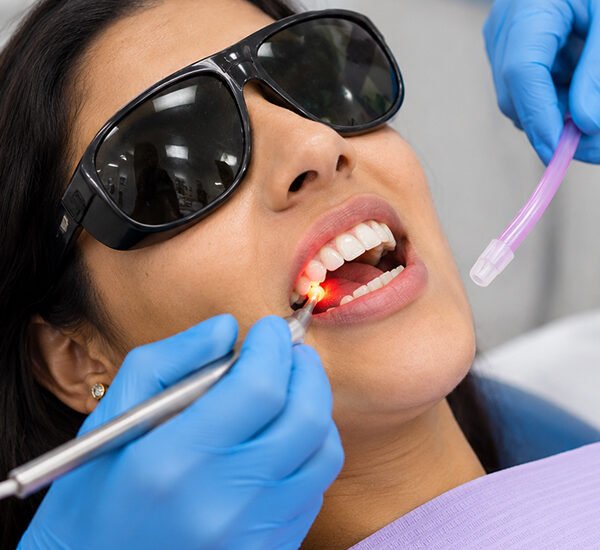
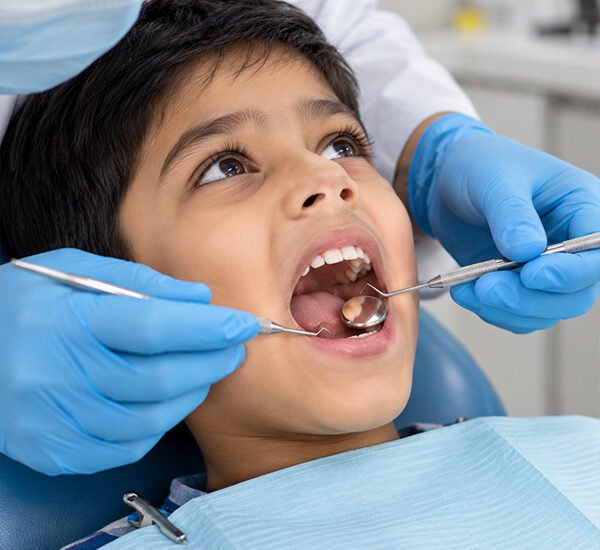
The dentist will examine your teeth for signs of cavities, damaged or worn tooth surfaces, cracks, existing fillings or other changes. The examination helps determine whether any teeth need closer evaluation or treatment.
3. Gum and Oral Tissue Examination
Your gums and other tissues in the mouth may also be checked. The dentist looks for signs of inflammation, gum disease, swelling and other abnormalities. Depending on your condition, the gums may be assessed more closely to determine whether further periodontal care is needed.
4. Professional Dental Cleaning
If cleaning is required, a dental professional can remove plaque and hardened deposits such as tartar that cannot be completely removed through regular brushing and flossing at home.
Professional cleaning is an important part of preventive dental care, but it does not replace daily brushing and cleaning between the teeth.
5. Dental X-Rays When Needed
Dental X-rays are not necessarily required at every routine visit. Your dentist may recommend them when they can provide useful information that cannot be obtained through a visual examination alone.
X-rays may help assess areas such as tooth decay between teeth, the roots of teeth, developing teeth, bone levels or other concerns. The type and frequency of X-rays should be based on your individual clinical needs.
6. Discussion About Your Oral Health
After the examination, your dentist can explain what was found and answer your questions. If your teeth and gums are healthy, you may simply receive preventive advice and a recommendation for your next checkup.
If a concern is identified, the dentist may discuss possible treatment options, their benefits and risks, and whether any follow-up appointment is needed.
What Can a Dentist Look for During a Checkup?
| Area Checked | What the Dentist May Assess |
|---|---|
| Teeth | Cavities, cracks, wear, damaged fillings and other changes |
| Gums | Redness, swelling, bleeding, recession and signs of gum disease |
| Oral tissues | Unusual changes, sores, swelling or other abnormalities |
| Bite and jaw | Changes in the bite, jaw discomfort or other symptoms when relevant |
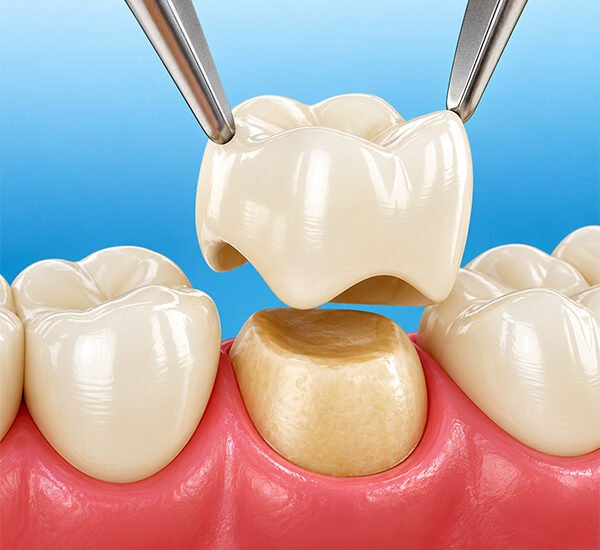
| Existing dental work | The condition of fillings, crowns, bridges or other restorations |
How Long Does a Dental Checkup Take?
The length of a dental visit varies depending on what is included and your individual oral health needs. A straightforward routine examination may be relatively short, while an appointment involving professional cleaning, X-rays or discussion of a dental concern may take longer.
If you have not visited a dentist for a long time or have several concerns, your first appointment may require more time for a thorough assessment.
How Often Should You Have a Dental Checkup?
There is no single schedule that is appropriate for everyone. Your dentist can recommend a recall interval based on your oral health, risk factors, dental history and preventive needs.
Some people may need more frequent monitoring, while others may be advised to return at a different interval. Following the schedule recommended for you can help your dentist monitor changes and address problems when they are easier to manage.
What Should You Tell Your Dentist During a Checkup?
Your dental appointment is a good time to mention anything that has changed or concerns you have noticed. Consider telling your dentist about:
- Toothache or sensitivity to hot, cold or sweet foods
- Bleeding or swollen gums
- Persistent bad breath or an unpleasant taste
- Loose, chipped or cracked teeth
- Pain or clicking around the jaw
- Changes in your bite or difficulty chewing
- Sores or other changes in the mouth that do not go away
Even if a symptom seems minor, sharing it can help your dentist decide whether further examination or testing is appropriate.
What Happens If the Dentist Finds a Problem?
A checkup does not automatically mean that you need dental treatment. If a problem is identified, your dentist will explain the finding and discuss what can be done.
Depending on the condition, this could involve preventive care, a filling, gum treatment, restoration, orthodontic assessment or another form of dental treatment. In some cases, the dentist may simply recommend monitoring the area and reviewing it at a future visit.
How to Prepare for Your Dental Appointment
You generally do not need special preparation for a routine dental checkup. However, it can be helpful to:
- Make a note of any dental symptoms or questions you want to discuss.
- Bring information about medications and relevant medical conditions.
- Tell the dental team about previous dental treatments or recent changes in your health.
- Continue your normal brushing and oral hygiene routine before the appointment.
- Be open about dental anxiety so the dental team can help make the visit more comfortable.
Routine Dental Checkup vs. Emergency Dental Visit
A routine checkup is designed for preventive care and assessment when you are not experiencing a serious urgent problem. An emergency dental visit is different and may be appropriate when there is severe or rapidly worsening pain, significant swelling, uncontrolled bleeding, a dental injury or another urgent concern.
If you are experiencing a potentially urgent dental problem, contact a dental professional promptly rather than waiting for your next routine appointment.
Frequently Asked Questions
A routine checkup commonly includes an examination of the teeth, gums and other oral tissues, a review of your dental concerns and preventive advice. Professional cleaning and X-rays may be included when appropriate.
No. Dental X-rays are generally recommended based on your individual oral health, symptoms, history and clinical needs rather than automatically at every visit.
A professional cleaning may be performed when needed, but the exact services included in an appointment depend on your oral health and the type of visit.
The appropriate interval varies from person to person. Your dentist can recommend a schedule based on your oral health, risk factors and dental history.
Yes. A dental examination and, when appropriate, dental X-rays can help identify some cavities before they cause noticeable pain or other symptoms.
Tell your dentist about symptoms such as pain, sensitivity, bleeding gums, swelling, bad breath, jaw discomfort, loose or damaged teeth, and any other changes you have noticed.
Let the dental team know that you feel anxious. Discussing your concerns before treatment can help the team explain the process and make the appointment more comfortable for you.
No. Routine dental visits are intended to support preventive care and identify potential problems before they necessarily cause significant symptoms.
Ready for Your Next Dental Checkup?
Regular dental visits can help you stay on top of your oral health and understand what your teeth and gums need. If it is time for your next dental checkup, you can get in touch with Dr. Ruchi's Smile Dental Clinic in Panchkula.
Book an Appointment