

Why Does My Breath Smell Even After Brushing? Common Causes of Bad Breath
Brushing your teeth every day is an important part of maintaining good oral hygiene, but sometimes bad breath can continue even after brushing. This can be frustrating, especially when you are already taking care of your teeth regularly. Persistent bad breath, also called halitosis, can have several causes ranging from bacteria on the tongue and gum problems to dry mouth, dental decay or certain lifestyle habits. Understanding the possible cause can help you decide what steps to take next.
What Causes Bad Breath?
Bad breath usually develops when bacteria in the mouth break down food particles and other substances. This process can produce unpleasant-smelling compounds that contribute to mouth odour.
Brushing removes plaque and food particles from many surfaces of the teeth, but it does not necessarily remove everything that may be contributing to bad breath. Bacteria can also collect on the tongue, between the teeth and around the gums.
For this reason, someone can brush their teeth and still notice an unpleasant smell shortly afterward.
Why Does My Breath Smell Even After Brushing?
If your breath smells even after brushing, the problem may be coming from an area that your toothbrush is not cleaning effectively. The tongue, spaces between the teeth and gumline can all harbour bacteria.
Persistent bad breath can also be associated with dental problems such as gum disease or tooth decay. In some cases, dry mouth, certain foods, smoking or other health conditions may also contribute.
The important point is that bad breath is not always caused by poor brushing. If the problem keeps returning, finding the underlying cause is more useful than simply brushing more frequently.
Common Causes of Bad Breath
1. Bacteria on the Tongue
The tongue has a textured surface where bacteria, food particles and dead cells can collect. The back portion of the tongue can be particularly difficult to clean and may contribute to bad breath.
This is one reason that cleaning your tongue gently as part of your daily oral hygiene routine can be helpful.
2. Plaque and Food Between the Teeth
Brushing alone does not clean every space between the teeth. Food particles and plaque can remain between teeth and around the gumline, providing an environment where bacteria can grow.
Cleaning between the teeth regularly can help remove material that a toothbrush cannot reach effectively.
3. Gum Disease
Gum disease can contribute to persistent bad breath. Plaque buildup around the gums can cause inflammation, and more advanced gum problems may be associated with persistent mouth odour.
Signs that may accompany gum problems include bleeding while brushing, swollen or tender gums, gum recession and persistent bad breath.
4. Tooth Decay
A decayed tooth can sometimes contribute to an unpleasant smell or taste in the mouth. Cavities may trap food and bacteria, and deeper dental infections can also cause noticeable odour.
If bad breath is accompanied by toothache, sensitivity, swelling or a bad taste around a particular tooth, arrange a dental examination.
5. Dry Mouth
Saliva helps keep the mouth clean by washing away food particles and helping control bacteria. When saliva production decreases, bacteria and debris can build up more easily.
Dry mouth can occur for several reasons, including dehydration, certain medications, mouth breathing and some medical conditions.
If your mouth frequently feels dry, especially when you wake up or throughout the day, mention it to your dentist.
6. Certain Foods and Drinks
Foods such as garlic, onions and some strongly flavoured ingredients can temporarily affect breath. Coffee and certain other beverages can also contribute to an unpleasant smell or dry feeling in the mouth.
Food-related bad breath usually improves as the substances leave the mouth and body. Persistent bad breath that continues regardless of what you eat may have another cause.
7. Smoking and Tobacco Use
Smoking and tobacco use can contribute to unpleasant breath and can also affect the health of the gums and other tissues in the mouth.
Tobacco use is associated with several oral health risks, so quitting or reducing tobacco use can benefit your mouth as well as your overall health.
8. Dental Appliances
Dentures, retainers and other dental appliances can collect food particles and bacteria if they are not cleaned properly. This can contribute to unpleasant odour.
If you use a dental appliance, follow the cleaning and storage instructions provided by your dentist or dental professional.
Can Poor Tongue Cleaning Cause Bad Breath?
Yes. The tongue can collect a significant amount of bacteria and debris, particularly toward the back. If the tongue is not cleaned regularly, these deposits may contribute to bad breath even if you brush your teeth carefully.
You can gently clean your tongue using a toothbrush or tongue cleaner. Avoid aggressive scraping because excessive pressure can irritate the tongue.
Can Gum Disease Cause Bad Breath?
Yes. Gum disease can be associated with persistent bad breath. When plaque and bacteria accumulate around the gums, they can contribute to inflammation and unpleasant mouth odour.
If you regularly notice bleeding when brushing or flossing, swollen gums, tenderness, gum recession or persistent bad breath, it is worth arranging a dental checkup.
Bad Breath: Possible Cause vs. Other Signs
| Possible Cause | Other Signs You May Notice |
|---|---|
| Tongue bacteria | White or coated tongue, unpleasant taste or recurring mouth odour |
| Plaque buildup | Food trapped between teeth, plaque around the gumline or difficulty cleaning certain areas |
| Gum disease | Bleeding, swollen or tender gums, gum recession or persistent mouth odour |
| Tooth decay | Toothache, sensitivity, food trapping or unpleasant taste around a tooth |
| Dry mouth | Sticky or dry feeling in the mouth, frequent thirst or difficulty swallowing |
| Food and drinks | Temporary odour after consuming strongly flavoured foods or beverages |
How to Get Rid of Bad Breath Naturally
Good daily oral hygiene can help reduce the bacteria and food particles that contribute to mouth odour. Some simple habits include:
- Brush your teeth twice a day with fluoride toothpaste.
- Clean your tongue gently every day.
- Clean between your teeth regularly.
- Drink enough water throughout the day.
- Maintain regular dental checkups and professional cleanings when recommended.
- Avoid smoking and tobacco products.
- Limit frequent consumption of foods and drinks that noticeably worsen your breath.
- Keep dentures, retainers and other dental appliances clean according to professional instructions.
These steps can help manage common causes of bad breath, but they may not be enough if the problem is caused by gum disease, tooth decay or another underlying condition.
Does Drinking More Water Help Bad Breath?
Staying hydrated can help when dry mouth is contributing to bad breath. Drinking water can also help rinse away some food particles and maintain moisture in the mouth.
However, drinking more water alone may not resolve persistent bad breath caused by dental decay, gum disease or another underlying problem.
Why Does My Breath Smell Bad in the Morning?
Morning breath is common because saliva production generally decreases during sleep. With less saliva available to wash away bacteria and food particles, mouth odour can become more noticeable when you wake up.
Brushing your teeth, cleaning your tongue, cleaning between your teeth and drinking water can help freshen your mouth in the morning.
If strong bad breath continues throughout the day despite good oral hygiene, it may be worth discussing it with your dentist.
Can Mouthwash Cure Bad Breath?
Mouthwash can temporarily reduce mouth odour and may be useful as part of an oral hygiene routine. However, it does not necessarily treat the underlying cause of persistent bad breath.
For example, if bad breath is caused by gum disease, tooth decay or a problem with a dental restoration, simply using mouthwash will not address the dental problem itself.
If you regularly need mouthwash to hide bad breath, consider finding out why the odour keeps returning.
When Should You See a Dentist for Bad Breath?
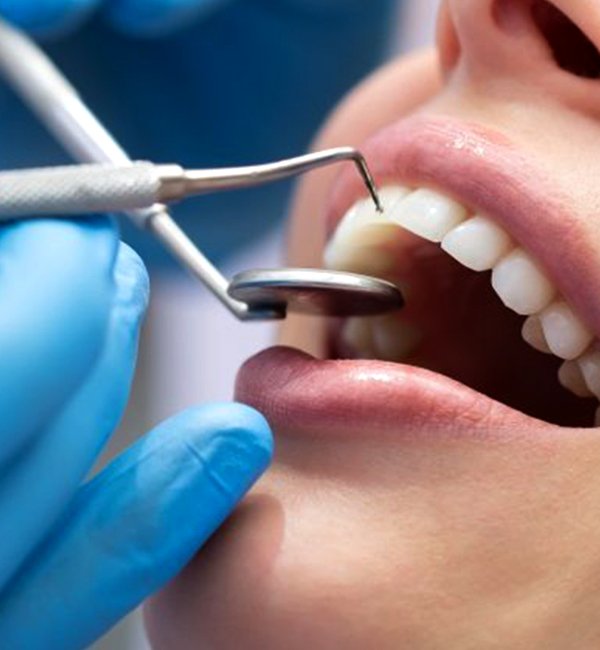
If bad breath continues for several weeks despite regular brushing, tongue cleaning and cleaning between your teeth, a dental checkup can help identify possible causes.
You should especially consider seeing a dentist if bad breath occurs along with:
- Bleeding or swollen gums
- Persistent toothache
- Tooth sensitivity
- A bad taste that keeps returning
- Loose teeth
- Visible plaque or tartar buildup
- Swelling around a tooth or gum
- Food frequently getting trapped around a particular tooth
A dental examination can help determine whether the cause is related to the teeth, gums, tongue or another aspect of your oral health.
Can Bad Breath Come From Somewhere Other Than the Mouth?
Yes. Although many cases of persistent bad breath are related to oral causes, some cases can be associated with problems outside the mouth, such as certain throat, sinus, digestive or medical conditions.
If a dental examination does not identify an oral cause and the problem continues, your dentist may recommend discussing it with an appropriate healthcare professional.
Bad Breath: Key Takeaways
- Brushing your teeth does not always remove all the bacteria responsible for bad breath.
- Bacteria on the tongue can be an important contributor to mouth odour.
- Plaque buildup, gum disease and tooth decay can cause persistent bad breath.
- Dry mouth can make bad breath more noticeable because there is less saliva to help clean the mouth.
- Good brushing, tongue cleaning and cleaning between the teeth can help manage common causes.
- Mouthwash may temporarily freshen breath but does not necessarily treat the underlying cause.
- Persistent bad breath should be discussed with a dentist, particularly when other dental symptoms are present.
Frequently Asked Questions
Brushing may not remove bacteria from the tongue, between the teeth or around the gums. Bad breath can also be caused by gum disease, tooth decay, dry mouth, smoking, certain foods or other conditions.
Yes. The tongue can collect bacteria, food particles and dead cells, particularly toward the back. Gently cleaning the tongue can help reduce bacteria that contribute to bad breath.
Yes. Gum disease can contribute to persistent bad breath and may also cause symptoms such as bleeding, swollen or tender gums and gum recession.
Drinking water can help keep the mouth hydrated and may help when dry mouth contributes to bad breath. However, persistent bad breath caused by dental problems may require professional treatment.
Yes. Tooth decay can sometimes contribute to an unpleasant smell or taste, particularly when food and bacteria become trapped around a damaged tooth.
Morning breath is common because saliva production decreases during sleep, allowing bacteria and odour to become more noticeable. Persistent bad breath throughout the day may have another cause.
Mouthwash may temporarily reduce mouth odour, but it does not necessarily treat the underlying cause. Persistent bad breath caused by gum disease, tooth decay or another dental problem requires appropriate assessment and treatment.
If bad breath continues despite good oral hygiene, or if it occurs with bleeding gums, tooth pain, sensitivity, swelling or a persistent bad taste, a dental checkup can help identify the cause.
Concerned About Persistent Bad Breath?
If your breath continues to smell even after brushing, there may be an underlying dental reason. Dr. Ruchi's Smile Dental Clinic in Panchkula can examine your teeth and gums and help identify the cause of persistent bad breath.
Book an Appointment