How Often Should You Really Replace Your Toothbrush? Signs It’s Time for a New One
Your toothbrush is one of the most important tools in your daily oral care routine, but even a good toothbrush does not last forever. Over time, the bristles can become worn, bent and less effective at cleaning your teeth and along the gumline. Knowing when to replace your toothbrush can help you maintain good brushing habits and support your overall oral health.
Why Does Replacing Your Toothbrush Matter?
Brushing your teeth twice a day helps remove plaque, food particles and bacteria from the surfaces of your teeth and along the gumline. However, the condition of your toothbrush can affect how effectively you are able to brush.
As toothbrush bristles become worn, they may no longer clean as effectively as they did when the brush was new. A damaged toothbrush may also be less comfortable to use and may make it tempting to brush with excessive pressure.
Replacing your toothbrush regularly is therefore a simple part of maintaining a consistent oral hygiene routine.
How Often Should You Replace Your Toothbrush?
For most people, replacing a toothbrush approximately every three to four months is a practical general guideline. However, the condition of the bristles is more important than following a specific date on the calendar.
If your toothbrush becomes worn or damaged before three months, it should be replaced sooner. Similarly, if the bristles still look relatively good after several months, it is still sensible to check the brush carefully and consider replacing it.
Signs It’s Time to Replace Your Toothbrush
Not sure whether your toothbrush needs to be replaced? Look at the bristles and consider how the brush feels while you are using it.
1. The Bristles Are Frayed
One of the clearest signs that your toothbrush needs replacing is frayed or split bristles. When the ends of the bristles begin to separate, the brush is no longer in the same condition as when you first started using it.
2. The Bristles Are Bent or Flattened
Bristles that are bent outward, flattened or pointing in different directions may indicate that the toothbrush has experienced significant wear.
This can also be a sign that you are brushing with too much pressure. Effective brushing does not require aggressive scrubbing.
3. The Toothbrush Looks Worn
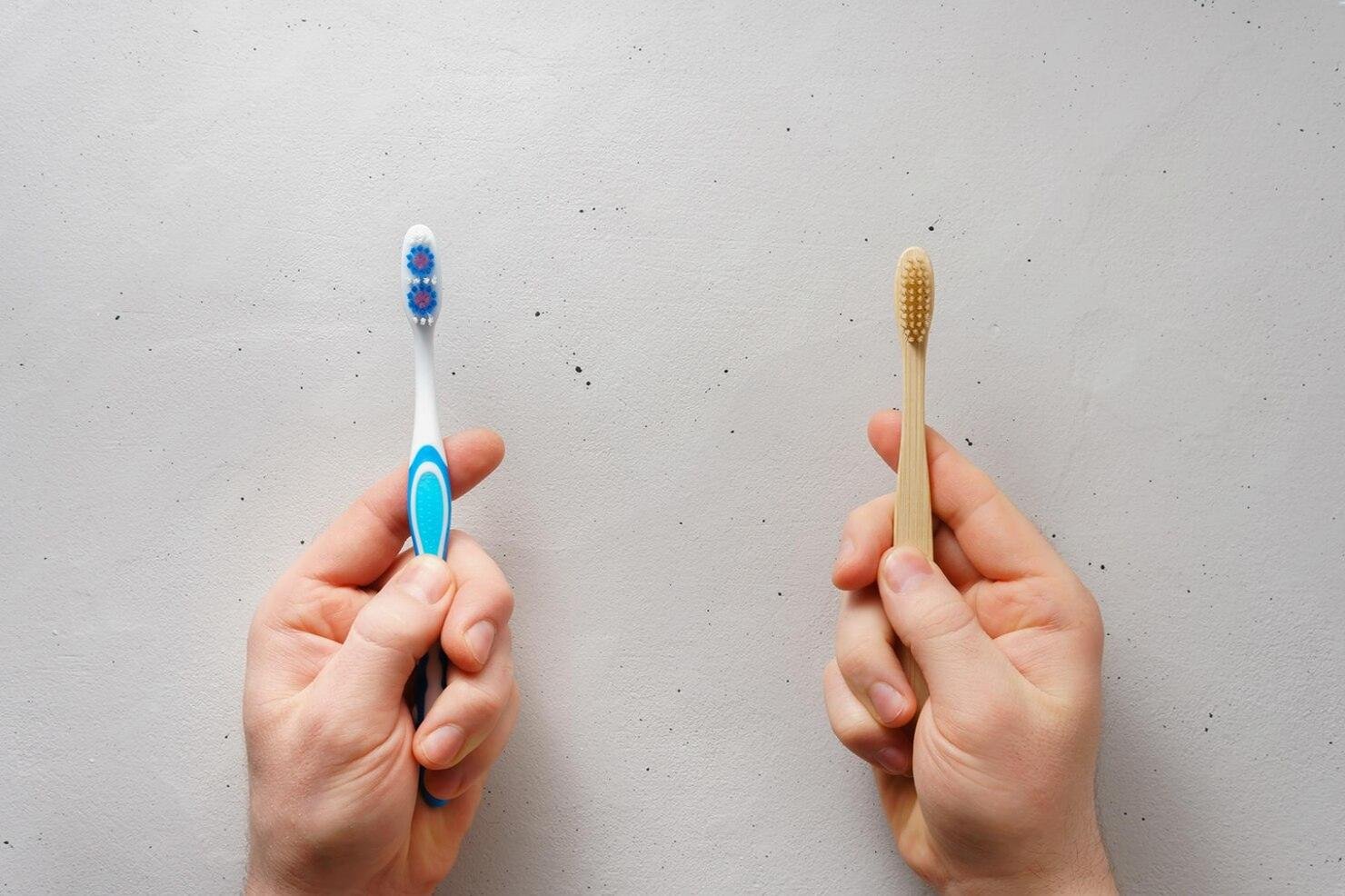
Sometimes the easiest way to know that your toothbrush needs replacing is simply to compare it with a new one. If the bristles look noticeably worn, discoloured or damaged, replacing the brush is a good idea.
4. The Brush No Longer Feels Comfortable
A toothbrush should feel comfortable while you brush. If the bristles feel rough, the brush feels damaged or brushing has become uncomfortable, consider replacing it.
5. You Have Been Using It for Several Months
Even when the bristles do not appear severely worn, replacing your toothbrush around every three to four months can help you maintain a regular replacement routine.
What Happens If You Keep Using an Old Toothbrush?
Using an old toothbrush does not automatically cause a dental problem, but worn bristles may become less effective at cleaning the teeth and gumline.
If plaque is not removed effectively, it can contribute to problems such as tooth decay and gum disease. Regular brushing with a suitable toothbrush is one part of preventing these conditions.
An old toothbrush may also encourage you to press harder in an attempt to clean your teeth better. Excessive brushing pressure can irritate the gums and contribute to tooth surface wear.
How Can You Tell If You Are Brushing Too Hard?
Brushing harder does not necessarily mean brushing better. In fact, excessive pressure can cause unnecessary wear on the teeth and irritation of the gums.
Possible signs that you may be brushing too aggressively include:
- Toothbrush bristles becoming flattened or bent very quickly
- Gum irritation or tenderness
- Gum recession
- Increased tooth sensitivity
- Visible wear near the gumline
If you notice these changes, speak with your dentist about your brushing technique and whether a different toothbrush may be more suitable.
What Type of Toothbrush Should You Use?
Choosing the right toothbrush is important, but there is no single toothbrush that is perfect for everyone. Your dentist can recommend an option based on your teeth, gums, brushing habits and individual oral health needs.
Soft-Bristled Toothbrushes
A soft-bristled toothbrush is generally a good choice for everyday brushing. It can clean the teeth effectively when used with the correct technique while reducing unnecessary pressure on the gums and tooth surfaces.
Manual Toothbrushes
A manual toothbrush can provide effective cleaning when you brush thoroughly and consistently. Technique, brushing time and regularity are important factors.
Electric Toothbrushes
Electric toothbrushes can also be useful for maintaining oral hygiene. Some models include features such as timers or pressure sensors that can help users brush for an appropriate amount of time and avoid excessive pressure.
The important point is not simply whether a toothbrush is manual or electric, but whether you can use it correctly and consistently.
Manual vs. Electric Toothbrush: Does One Need Replacing More Often?
| Toothbrush Type | What to Check | When to Consider Replacement |
|---|---|---|
| Manual toothbrush | Check for frayed, bent, flattened or damaged bristles. | Generally around every three to four months or sooner if worn. |
| Electric toothbrush | Check the condition of the brush head rather than only the handle. | Replace the brush head according to its condition and manufacturer guidance. |
| Children's toothbrush | Check for worn bristles and chewing damage. | Replace when worn, damaged or no longer suitable for the child. |
How Should You Take Care of Your Toothbrush?
Proper toothbrush care can help keep the brush clean and in good condition between uses.
- Rinse the toothbrush thoroughly with water after brushing.
- Store it upright when possible so it can air dry.
- Avoid routinely covering a wet toothbrush because moisture can encourage microbial growth.
- Keep toothbrushes from touching one another when possible.
- Do not share your toothbrush with another person.
- Replace the toothbrush or brush head when the bristles become worn.
Should You Replace Your Toothbrush After Being Sick?
You may wonder whether you need to throw away your toothbrush after recovering from a cold, flu or another illness. In many cases, simply replacing a toothbrush is not necessary solely because you were sick.
However, if the toothbrush is old, visibly worn or difficult to clean, replacing it is reasonable. If you have a specific infection or have been advised by your healthcare professional to take additional precautions, follow their guidance.
How Often Should Children Replace Their Toothbrush?
Children should also have their toothbrushes replaced regularly. Children's toothbrushes can become worn more quickly, particularly if the child chews on the bristles or brushes with excessive force.
Check your child's toothbrush regularly and replace it when the bristles become frayed, bent or damaged. Choosing a toothbrush designed for the child's age can also make brushing more comfortable.
Does a New Toothbrush Clean Better?
A new toothbrush has bristles in their intended shape and condition. As the brush becomes worn, the bristles may become less effective at reaching and cleaning the surfaces of the teeth and along the gumline.
However, replacing your toothbrush is only one part of good oral hygiene. Brushing twice a day with fluoride toothpaste, cleaning between the teeth and having regular dental checkups are also important.
Common Toothbrush Mistakes to Avoid
Even if you replace your toothbrush regularly, certain habits can reduce the effectiveness of your brushing routine.
- Using excessive pressure while brushing
- Brushing for too little time
- Skipping areas around the gumline
- Not cleaning between the teeth
- Using a toothbrush with very hard or worn bristles
- Sharing a toothbrush
- Keeping a toothbrush in a closed container while it is still wet
When Should You Ask Your Dentist About Your Toothbrush?
If you are unsure which toothbrush is suitable for you, your dentist can assess your teeth and gums and recommend an appropriate option. This can be particularly useful if you have sensitive teeth, gum recession, orthodontic appliances, dental restorations or other specific oral health concerns.
You should also mention persistent bleeding gums, tooth sensitivity, gum recession, tooth pain or other changes during your regular dental appointment. These symptoms may require more than simply changing your toothbrush.
How Often Should You Replace Your Toothbrush? Key Takeaways
- Most people should consider replacing their toothbrush about every three to four months.
- Replace it sooner if the bristles become frayed, bent, flattened or damaged.
- Do not brush harder simply because the toothbrush is old.
- Soft-bristled toothbrushes are generally suitable for everyday brushing.
- Electric toothbrush users should regularly check and replace the brush head.
- Store your toothbrush upright and allow it to air dry between uses.
- Regular toothbrush replacement should be combined with good brushing technique and routine dental care.
Frequently Asked Questions
For most people, replacing a toothbrush about every three to four months is a useful general guideline. Replace it sooner if the bristles become frayed, bent, flattened or damaged.
Common signs include frayed or split bristles, bent or flattened bristles, visible wear, damage or a toothbrush that no longer feels comfortable to use.
It is better to replace your toothbrush regularly rather than continuing to use it indefinitely. If the bristles are already worn or damaged, replace it sooner.
A soft-bristled toothbrush is generally a good choice for everyday brushing because it can clean the teeth effectively without requiring excessive pressure. Your dentist can recommend the most suitable toothbrush for your individual needs.
Electric toothbrush heads should be checked regularly and replaced when the bristles become worn or damaged. You should also follow the replacement guidance provided by the toothbrush manufacturer.
Being sick does not always mean that you must replace your toothbrush immediately. However, if the toothbrush is already worn or difficult to clean, replacing it is reasonable. Follow any specific advice given by your healthcare professional.
Yes. Excessive brushing pressure can irritate the gums and contribute to tooth surface wear. Use a soft-bristled toothbrush and gentle pressure rather than aggressive scrubbing.
Regularly replacing a worn toothbrush supports effective brushing, but it is only one part of cavity prevention. Brushing twice daily with fluoride toothpaste, cleaning between the teeth, maintaining a balanced diet and having regular dental checkups are also important.
Need Advice About Your Oral Health?
A good toothbrush and proper brushing technique are important parts of daily dental care. If you have questions about your oral hygiene routine or have concerns about your teeth or gums, Dr. Ruchi's Smile Dental Clinic in Panchkula can help you understand what your smile needs.
Book an Appointment