
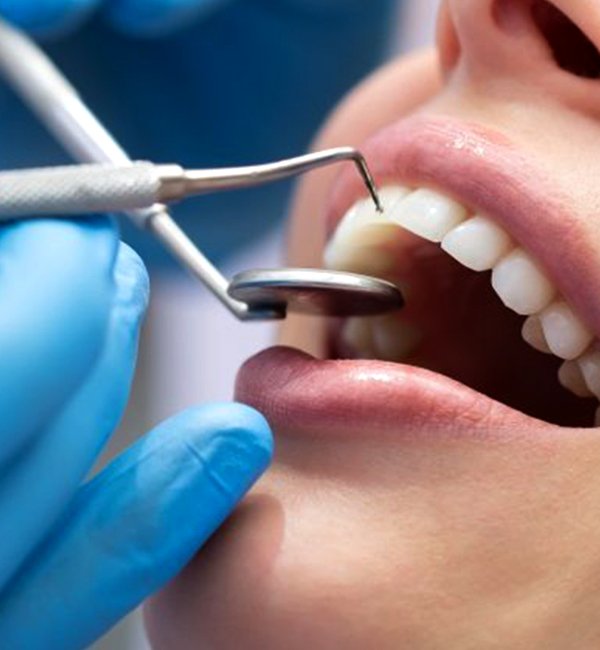
Dental Crowns: When Do You Need One and How Long Does It Last?
A damaged, weakened or heavily restored tooth may need more protection than a regular filling can provide. Dental crowns are custom-made restorations designed to cover and protect a tooth while restoring its shape, function and appearance. But when is a crown actually necessary, and how long can you expect it to last?
Quick Answer
A dental crown may be recommended when a tooth is significantly weakened by decay, a large filling, fracture or root canal treatment, or when its shape and appearance need to be restored. A crown fits over the prepared tooth and is designed to protect it during normal function. With good oral hygiene, regular dental check-ups and appropriate care, dental crowns can often last many years, although their lifespan varies depending on the material, bite forces, oral hygiene and the condition of the underlying tooth.
What Is a Dental Crown?
A dental crown is a custom-made restoration that covers most or all of the visible portion of a prepared tooth. It is designed to restore the tooth's shape, strength, function and, where appropriate, appearance.
Crowns can be made from different materials, including tooth-coloured ceramic or porcelain-based materials, zirconia and metal or metal-supported options. The most suitable material depends on factors such as the location of the tooth, bite forces, cosmetic goals and your dentist's recommendation.
When Do You Need a Dental Crown?
A crown is not required for every damaged tooth. Your dentist will assess how much healthy tooth structure remains and whether another restoration can provide adequate protection.
1. A Tooth Is Severely Decayed
If decay has removed a significant amount of tooth structure, a filling alone may not provide enough support. In such cases, a crown may be recommended to protect and restore the remaining tooth.
2. The Tooth Has a Large Filling
A tooth with a large existing filling may have less natural tooth structure left to support normal biting forces. A crown can provide additional coverage when your dentist determines that greater protection is needed.
3. The Tooth Is Cracked or Fractured
A damaged tooth may sometimes be restored with a crown if enough healthy tooth structure remains. The treatment depends on the location and extent of the fracture and whether the tooth can be predictably restored.
4. After Root Canal Treatment
A tooth that has undergone root canal treatment may require additional protection depending on the amount of remaining tooth structure and the tooth's location. Your dentist will determine whether a crown or another restoration is appropriate.
5. To Restore a Worn or Misshapen Tooth
Crowns can sometimes be used to restore teeth that have significant wear, altered shape or other structural problems. The treatment plan depends on the cause of the damage and the condition of the tooth.
6. To Improve the Appearance of a Damaged Tooth
In selected cases, a crown may be used to improve the shape, colour or appearance of a structurally compromised tooth. Cosmetic goals should always be balanced with the health and strength of the underlying tooth.
💡 Important: A dental crown is not simply a cosmetic cover. It is a restorative treatment intended to protect or rebuild a tooth when the remaining tooth structure needs additional support.
Dental Crown Procedure: What to Expect
Getting a dental crown generally involves assessment, tooth preparation and placement of the final restoration. The exact process can vary depending on the tooth and the type of crown selected.
Step 1: Dental Examination
Your dentist examines the tooth and surrounding gums and may take an X-ray if needed. The dentist will determine whether a crown is appropriate and discuss available treatment options.
Step 2: Tooth Preparation
If a crown is planned, the tooth is carefully prepared so the restoration can fit properly. Decayed or damaged areas may need to be removed before the tooth is shaped for the crown.
Step 3: Impressions or Digital Scan
An impression or digital scan is used to create a crown that fits the prepared tooth and works with the surrounding teeth and bite.
Step 4: Temporary Protection
Depending on the treatment workflow, a temporary crown may be placed while the permanent crown is being prepared.
Step 5: Permanent Crown Placement
Once the final crown is ready, the dentist checks its fit, bite and appearance before securely placing it on the tooth.
Does Getting a Dental Crown Hurt?
Local anaesthesia is commonly used during tooth preparation, so you should not feel sharp pain during the procedure. Some sensitivity or mild soreness can occur after treatment, particularly as the tooth and surrounding tissues adjust.
If you experience persistent pain, significant sensitivity or discomfort when biting after the crown is placed, contact your dentist so the crown and underlying tooth can be evaluated.
How Long Do Dental Crowns Last?
The lifespan of a dental crown varies from person to person. With good oral hygiene and appropriate dental care, crowns can often remain functional for many years. However, no crown lasts forever.
Several factors can influence how long a crown lasts, including:
- Oral hygiene: Plaque buildup around a crown can contribute to gum problems and decay around the remaining tooth structure.
- Bite forces: Heavy biting forces or teeth grinding can place additional stress on a crown.
- Crown material: Different materials have different characteristics and may be selected according to the tooth and clinical situation.
- Location of the tooth: Back teeth generally experience greater chewing forces than front teeth.
- Condition of the underlying tooth: The health and strength of the tooth beneath the crown are important to long-term success.
- Regular dental care: Routine check-ups can help identify problems early.
💡 Remember: A crown can protect a weakened tooth, but it does not make the tooth immune to decay or gum disease. The tooth underneath and the surrounding gums still need daily care.
Dental Crowns: How to Make Them Last Longer
Good habits can help protect both your crown and the natural tooth underneath it.
- Brush your teeth twice a day with a suitable fluoride toothpaste.
- Clean between your teeth every day using floss or an interdental cleaning method recommended by your dentist.
- Attend regular dental check-ups and professional cleanings when advised.
- Avoid using your teeth to open packages or bite very hard non-food objects.
- If you grind or clench your teeth, ask your dentist whether a protective night guard may be appropriate.
- Contact your dentist if the crown feels loose, chipped, cracked or uncomfortable.
Types of Dental Crowns
Dental crowns are available in several materials. There is no single crown type that is best for every patient. Your dentist will consider the position of the tooth, functional demands, appearance and overall oral health.
| Crown Type | Common Characteristics | May Be Considered For |
|---|---|---|
| All-Ceramic / Porcelain-Based | Tooth-coloured appearance and designed to blend with natural teeth. | Front teeth and selected cases where aesthetics are important. |
| Zirconia | Strong tooth-coloured restorative material available in different formulations. | Both front and back teeth depending on the clinical situation. |
| Metal | Known for durability and resistance to wear, but does not provide a natural tooth-coloured appearance. | Selected back-tooth situations where strength is a priority. |
| Metal-Supported / Porcelain-Fused Options | Combines a metal substructure with a tooth-coloured outer layer. | Selected restorative situations based on functional and aesthetic requirements. |
Dental Crown vs Filling: Which One Do You Need?
The choice between a filling and a crown depends largely on how much healthy tooth structure remains and how much support the tooth needs.
| Dental Filling | Dental Crown |
|---|---|
| Often used to repair teeth with smaller or moderate areas of decay or damage. | Used when a tooth requires greater coverage and protection. |
| Preserves more natural tooth structure in many cases. | Requires preparation of the tooth to accommodate the crown. |
| Suitable when enough healthy tooth structure remains for a reliable restoration. | May be recommended for significantly weakened, heavily restored or structurally compromised teeth. |
Your dentist should assess the tooth before deciding between a filling, crown or another restorative option.
Can a Dental Crown Get Cavities?
The crown material itself does not develop tooth decay like natural tooth enamel. However, the natural tooth structure underneath or around the crown can still develop decay if plaque is not controlled.
This is why brushing, cleaning between the teeth and regular dental examinations remain important even after receiving a crown.
Signs Your Dental Crown May Need Attention
Contact your dentist if you notice any of the following:
- A crown that feels loose or moves.
- A visible crack, chip or fracture.
- Persistent pain or sensitivity.
- Discomfort when biting or chewing.
- Food repeatedly getting trapped around the crown.
- Swelling or bleeding around the gum near the crown.
- A change in the way your teeth meet when you bite.
Early assessment can help determine whether the crown can be adjusted or repaired or whether it needs to be replaced.
Dental Crown Cost: What Can Affect the Price?
The dental crown cost varies depending on the material, the tooth being treated, the complexity of the case and the dental clinic. A consultation is needed to determine the exact treatment and cost for an individual tooth.
Factors that can influence the overall cost include:
- The type and material of crown selected.
- The condition of the tooth before crown preparation.
- Whether a root canal or other treatment is required first.
- Whether additional procedures are needed to restore the tooth.
- The laboratory or digital workflow used to make the crown.
- The location and complexity of the tooth.
When comparing dental crown prices, ask what is included in the quoted treatment and whether the examination, preparation, temporary crown and final placement are included.
Are Dental Crowns Worth It?
When a tooth is significantly weakened but can still be predictably restored, a dental crown can be an important way to protect the remaining tooth structure and restore normal function. Whether it is the right choice depends on the condition of your tooth and your dentist's assessment.
A crown should not be recommended simply because a tooth has a small cavity. The amount of healthy tooth structure remaining and the long-term restorative needs should be considered before treatment.
Frequently Asked Questions About Dental Crowns
A crown may be needed when a tooth is significantly weakened by decay, a large filling, fracture, wear or root canal treatment, and requires additional coverage and protection.
Dental crowns can often last many years with good oral hygiene and regular dental care. Their lifespan varies depending on crown material, bite forces, oral hygiene, the underlying tooth and other individual factors.
Local anaesthesia is commonly used during crown preparation. You may experience some sensitivity or mild soreness afterward, but persistent pain should be assessed by your dentist.
A crown can occasionally become loose or come off due to factors such as damage, cement failure, decay or problems with the underlying tooth. If this happens, contact your dentist rather than trying to permanently reattach it yourself.
A crown may be recommended after root canal treatment depending on how much tooth structure remains and the tooth's functional demands. Your dentist will assess the tooth and recommend the appropriate restoration.
The crown material itself does not decay, but the natural tooth underneath or around the crown can develop decay. Good oral hygiene and regular dental check-ups are important for protecting the tooth.
There is no single best material for every patient. Ceramic, zirconia, metal and other crown options each have different characteristics. The right choice depends on the tooth location, bite, appearance and clinical requirements.
Dental crown cost varies according to the crown material, condition of the tooth, additional treatment required and the dental clinic. A dental examination is needed to provide an accurate treatment plan and cost.
Do You Need a Dental Crown?
If you have a broken, heavily filled, severely decayed or weakened tooth, a dental examination can help determine whether a crown is appropriate or whether another treatment could preserve the tooth.
Book an appointment with Dr. Ruchi's Smile Dental Clinic to discuss your tooth and available restorative treatment options.