



Root Canal Treatment: When Do You Need It and What to Expect?
A painful tooth does not always mean you need a root canal treatment, but persistent pain, sensitivity or swelling can sometimes indicate that the inside of the tooth has become infected or damaged.
Many people feel nervous when they hear the words “root canal.” However, understanding why the treatment is recommended and what happens during the procedure can make the experience much less stressful.
In this guide, we explain when root canal treatment may be needed, the common warning signs, what happens during the procedure, what recovery is like and how to look after the treated tooth.
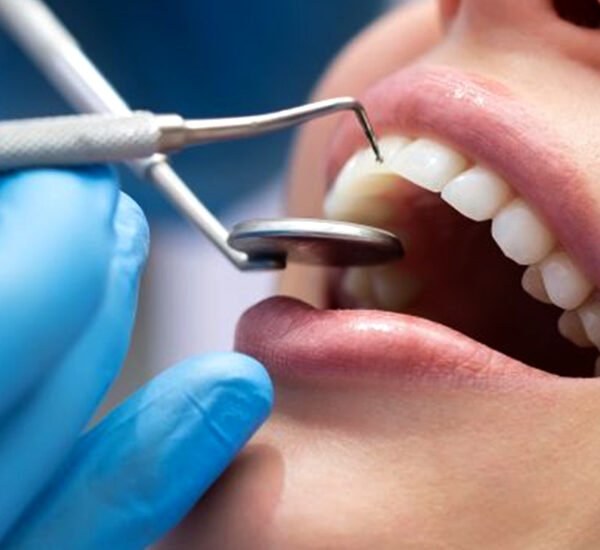
If you are experiencing ongoing tooth pain or sensitivity, a dental examination is the right first step.
Quick Answer: When Might You Need Root Canal Treatment? — Root canal treatment may be recommended when the dental pulp inside a tooth becomes severely inflamed, infected or damaged. Persistent tooth pain, prolonged sensitivity, swelling or pain while chewing can be warning signs, but a dentist must examine the tooth before deciding whether a root canal is required.
What Is Root Canal Treatment?
Root canal treatment is a dental procedure used to treat problems affecting the soft tissue inside a tooth, known as the dental pulp.
The pulp contains nerves and blood vessels. If the pulp becomes inflamed or infected because of deep decay, a crack, injury or another dental problem, treatment may be required to prevent the condition from getting worse.
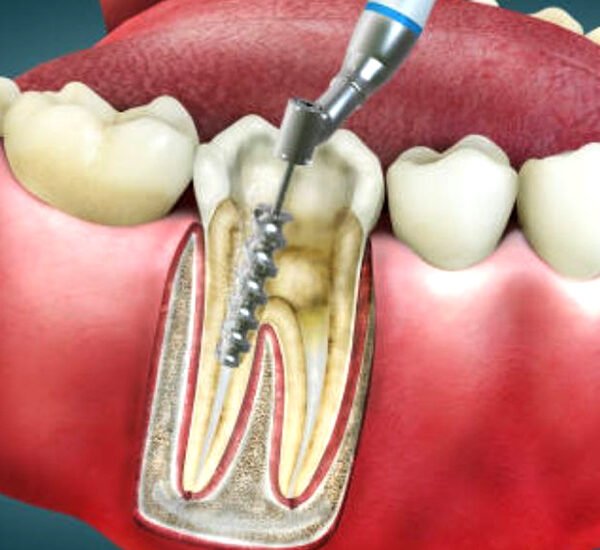
During root canal treatment, the affected tissue is removed, the inside of the tooth is cleaned and the space is sealed.
The aim is to treat the affected tooth while allowing it to remain in place.
When Do You Need a Root Canal?
A root canal may be recommended when the pulp inside the tooth becomes severely inflamed, infected or damaged.
Some common causes include:
- Deep tooth decay
- A cracked or damaged tooth
- Dental trauma or injury
- Repeated dental procedures on the same tooth
- Infection inside the tooth
- Damage to the pulp
Not every toothache requires a root canal. Your dentist will examine the tooth and may recommend dental X-rays or other tests before deciding on treatment.
What Are the Symptoms of a Tooth That May Need Root Canal Treatment?
The symptoms can vary depending on the condition of the tooth.
Some possible warning signs include:
Persistent Tooth Pain
Pain that continues or keeps returning may indicate a problem that needs dental evaluation.
Sensitivity to Hot or Cold
A tooth that remains sensitive to hot or cold even after the source has been removed may need further examination.
Pain While Biting or Chewing
Discomfort when biting down can sometimes be associated with inflammation or infection affecting the tooth.
Swelling Around the Tooth
Swelling near a tooth can be a sign of infection and should not be ignored.
Tooth Discolouration
A tooth that becomes darker than the surrounding teeth may require examination, particularly if there is also a history of injury or pain.
A Gum Abscess or Pimple
A small bump on the gum near a tooth can sometimes be associated with an infection.
These symptoms do not automatically mean you need a root canal. A dentist needs to determine the actual cause.
Can a Tooth Infection Go Away on Its Own?
A dental infection should not be ignored simply because the pain becomes less intense.
When the pulp of a tooth is infected or severely damaged, the underlying problem may remain even if symptoms temporarily change.
Depending on the condition, your dentist may recommend root canal treatment or another appropriate treatment.
If you have swelling, severe tooth pain or other signs of infection, arrange a dental examination rather than waiting for the problem to resolve on its own.
What Happens During Root Canal Treatment?
If your dentist recommends a root canal procedure, you may be wondering what to expect.
The exact treatment plan depends on the condition of your tooth, but root canal treatment generally involves several stages.
1. Examination and Diagnosis
Your dentist examines the affected tooth and reviews your symptoms.
Dental X-rays may be used to understand the condition of the tooth and the surrounding area.
2. Local Anaesthesia
Local anaesthesia is generally used to numb the area around the tooth before treatment begins.
3. Accessing the Inside of the Tooth
The dentist creates an opening in the tooth to reach the affected pulp.
4. Removing the Infected or Damaged Tissue
The damaged pulp is carefully removed from inside the tooth.
5. Cleaning and Shaping
The inside of the tooth is cleaned and shaped to prepare it for sealing.
6. Sealing the Tooth
The cleaned space is filled and sealed to help prevent further infection.
7. Restoring the Tooth
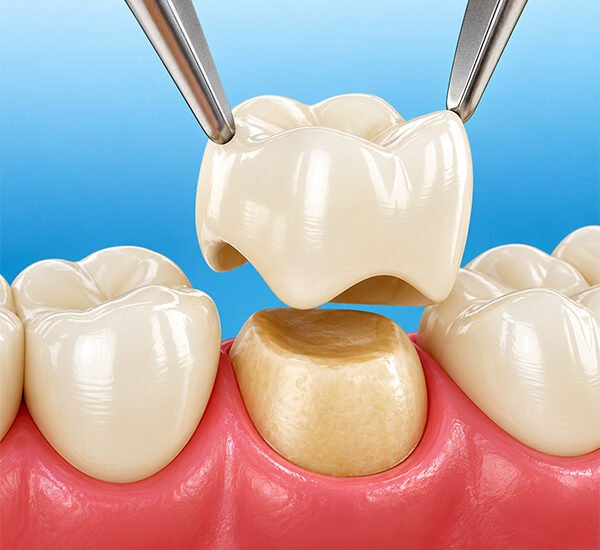
Depending on the condition of the tooth, a filling or dental crown may be recommended to restore its strength and function.
Your dentist will explain the appropriate restoration based on your individual case.
Is Root Canal Treatment Painful?
This is one of the most common concerns people have about root canal treatment.
The procedure is performed using local anaesthesia to numb the area being treated. You may experience some pressure during treatment, but your dentist will work to keep you comfortable.
After the procedure, some temporary soreness or sensitivity may occur.
If you have significant or persistent pain after treatment, contact your dentist for advice.
How Long Does Root Canal Treatment Take?
The time required depends on several factors, including:
- Which tooth is being treated
- The complexity of the tooth's root canals
- The extent of infection or damage
- Whether additional treatment is required
- The type of restoration needed
Some root canal treatments can be completed in one appointment, while others may require more than one visit.
Your dentist can give you a more specific estimate after examining your tooth.
What Happens After Root Canal Treatment?
After your root canal treatment, your tooth may feel different for a short period.
You may experience:
- Mild soreness
- Temporary sensitivity
- Tenderness around the treated area
Follow your dentist's instructions regarding eating, brushing and any prescribed medication.
If a temporary filling has been placed, take extra care with the tooth until the final restoration is completed.
Do You Need a Crown After a Root Canal?
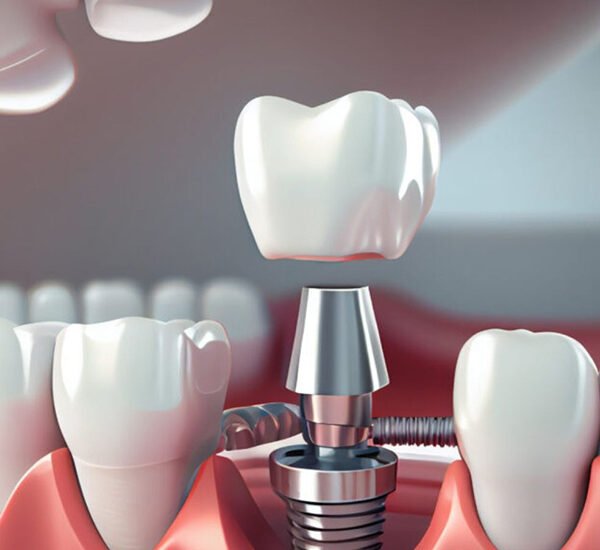
Not every root-treated tooth automatically requires a crown.
However, some teeth may need additional protection because they have lost a significant amount of tooth structure.
A dental crown may be recommended depending on the location of the tooth, how much tooth structure remains and the amount of stress the tooth experiences during chewing.
Your dentist will assess the tooth and recommend the appropriate restoration.
[Internal Link: Dental Crowns]
What Happens If You Delay Root Canal Treatment?
Delaying treatment for an infected or severely damaged tooth may allow the problem to become more complicated.
The infection can potentially spread to surrounding tissues, and the tooth may become more difficult to restore.
If you have persistent tooth pain, swelling or sensitivity, it is better to have the tooth examined early rather than waiting for the symptoms to become severe.
Root Canal Treatment vs Tooth Extraction
When a tooth is badly damaged or infected, patients sometimes wonder whether it should be treated with a root canal or removed.
The appropriate option depends on whether the tooth can be restored.
Root canal treatment aims to remove the infected or damaged pulp while keeping the natural tooth.
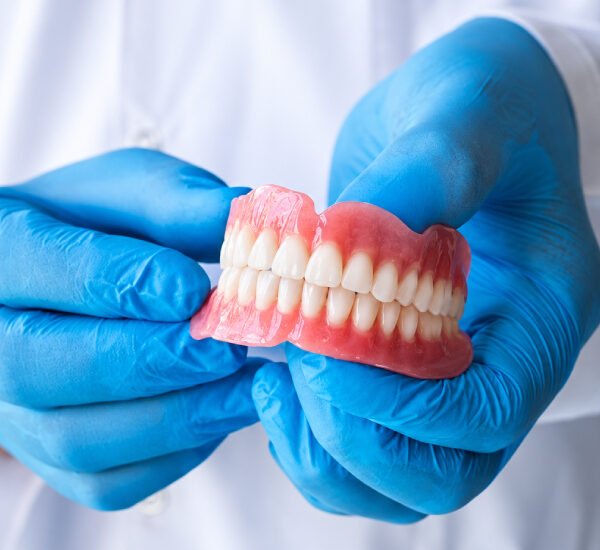
Tooth extraction involves removing the tooth when it cannot be predictably restored or when removal is otherwise recommended.
Whenever possible, your dentist will assess whether the natural tooth can be treated and preserved.
[Internal Link: Tooth Extraction]
Root Canal Treatment in Panchkula
If you are looking for root canal treatment in Panchkula, choosing a dental clinic where your tooth is properly examined before treatment is important.
At Dr. Ruchi's Smile Dental Clinic, patients can have their tooth pain and dental concerns evaluated before the appropriate treatment is recommended.
Root canal treatment may be considered when the dental pulp is severely inflamed, infected or damaged. The treatment plan depends on the condition of the individual tooth.
If you have persistent tooth pain, sensitivity, swelling or discomfort while chewing, schedule a dental consultation rather than delaying the examination.
[Internal Link: Root Canal Treatment]
How Can You Protect Your Teeth After Root Canal Treatment?
A root-treated tooth still needs regular dental care.
You can help maintain your treated tooth by:
- Brushing twice a day with fluoride toothpaste.
- Cleaning between your teeth regularly.
- Avoiding unnecessary pressure on a tooth that has not yet received its final restoration.
- Following your dentist's instructions.
- Attending recommended dental checkups.
- Getting a damaged filling or crown checked promptly.
Good daily oral hygiene is important for both treated and untreated teeth.
Key Takeaways
- Root canal treatment is used to treat problems affecting the pulp inside a tooth.
- Deep decay, cracks, trauma and infection can damage the dental pulp.
- Persistent pain, sensitivity, swelling or pain while chewing should be evaluated by a dentist.
- Root canal treatment is generally performed under local anaesthesia.
- Some teeth may require a crown or another restoration after root canal treatment.
- Early dental assessment can help determine the appropriate treatment before the problem becomes more complicated.
Final Thoughts
Root canal treatment is a procedure designed to treat a damaged or infected tooth while allowing the natural tooth to remain in place when it can be restored.
Persistent tooth pain should not be ignored, especially when it is accompanied by swelling, sensitivity or discomfort while chewing. The symptoms can have several possible causes, so an examination is necessary before deciding whether a root canal is required.
If you are experiencing tooth pain and are looking for a root canal dentist in Panchkula, consult a dental professional who can examine the tooth and explain the available treatment options.
[Internal Link: Book an Appointment]